
Admirable journey of the lady officer from IPS to IAS and her initiative to mentor more than 300 UPSC aspirants in Hazaribagh
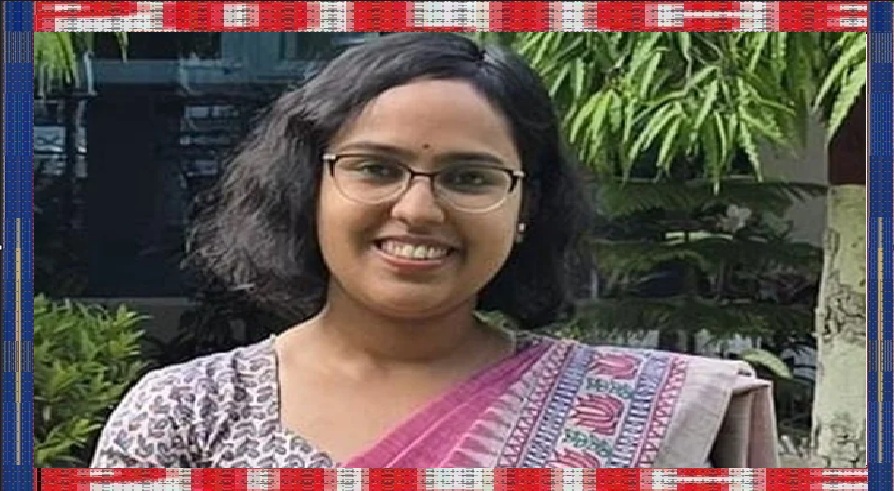
After securing AIR 189 in UPSC Civil Services Examination 2023 and joining the IPS, Poorva Agrawal improved her rank to AIR 65 in the 2024 examination to achieve her ambition of becoming an IAS officer. Now, the 2025-batch Jharkhand cadre officer is helping more than 300 UPSC aspirants in Hazaribagh with preparation strategies, subject analysis and practical guidance.
For hundreds of young aspirants preparing for the Union Public Service Commission (UPSC) Civil Services Examination in Jharkhand’s Hazaribagh district, trainee IAS officer Poorva Agrawal has emerged as a source of guidance and encouragement.
Despite her demanding administrative responsibilities, the 2025-batch Indian Administrative Service (IAS) officer regularly visits the District Library in Hazaribagh to interact with civil services aspirants, address their queries and share practical preparation strategies.
Currently serving as Assistant Magistrate and Assistant Collector in Hazaribagh, Agrawal is guiding more than 300 candidates preparing for one of India’s most competitive examinations.
She has also made herself accessible to aspirants over the phone so that they can seek guidance whenever they encounter difficulties during their preparation.
Her initiative aims to make quality mentorship more accessible to young people in Jharkhand, particularly those who may not have access to experienced civil services mentors.
Poorva Agrawal Guides Over 300 UPSC Aspirants in Hazaribagh
Poorva Agrawal regularly visits the Hazaribagh District Library whenever her administrative schedule permits and interacts with candidates preparing for the UPSC examination.
During these sessions, she helps aspirants understand difficult subjects, resolve academic doubts and develop a structured approach to their preparation.
Rather than limiting her guidance to occasional motivational interactions, she has also provided candidates with the opportunity to contact her by phone whenever they need assistance.
Agrawal has expressed her desire to guide young people in Jharkhand who are preparing for the civil services examination and help them move towards their goals with the right preparation strategy.
Her initiative highlights the importance of mentorship in competitive examinations, particularly for candidates who may struggle to find reliable guidance.
Who Is Poorva Agrawal?
Poorva Agrawal is a 2025-batch IAS officer of the Jharkhand cadre, originally from Raipur, Chhattisgarh.
She is currently serving as Assistant Magistrate and Assistant Collector in Hazaribagh. She assumed her present assignment in June 2026 as a trainee officer.
Academically, Agrawal holds a Bachelor of Arts (Honours) degree and a Master of Arts degree in Economics. She completed her graduation from Shri Ram College of Commerce (SRCC), Delhi.
Before entering the civil services, she worked as an analyst with Barclays in Singapore.
Her academic background, corporate experience and journey through the UPSC examination have given her practical insights into the preparation process, which she now shares with aspiring civil servants.
Poorva Agrawal’s UPSC Journey: From IPS to IAS
Poorva Agrawal’s civil services journey reflects determination and a clear commitment to achieving her career ambitions.
In the UPSC Civil Services Examination 2023, she secured All India Rank (AIR) 189 and was selected for the Indian Police Service (IPS) under the Chhattisgarh cadre.
However, her ambition was to join the Indian Administrative Service.
Determined to pursue that goal, she continued preparing and appeared for the examination again.
Her efforts paid off in the UPSC Civil Services Examination 2024, when she secured AIR 65 and earned selection to the Indian Administrative Service under the Jharkhand cadre.
Her journey from securing an IPS position to improving her rank significantly and entering the IAS demonstrates the importance of perseverance, focused preparation and continuous improvement.
What Is Poorva Agrawal’s UPSC Preparation Strategy?
According to Poorva Agrawal, thorough analysis of subjects and topics is among the most important elements of UPSC preparation.
She advises aspirants not to restrict themselves to simply reading newspapers, books and other study materials. Instead, candidates should analyse the information they consume and develop a deeper understanding of the subjects.
This approach, she believes, helps build conceptual clarity and strengthens the ability to answer examination questions effectively.
She also emphasises the importance of studying previous years’ question papers, particularly those from the last 15 years.
Analysing these papers helps candidates understand the examination pattern, identify recurring themes and recognise areas that require greater attention.
Why Does She Recommend NCERT Books and Newspaper Reading?
Poorva Agrawal considers NCERT books an important foundation for UPSC preparation.
These books help candidates develop conceptual clarity across different subjects and provide a strong starting point for building their knowledge base.
She also stresses the importance of reading newspapers regularly to remain updated on current affairs and understand important national and international developments.
However, she cautions aspirants against collecting multiple books and study materials without following a clear preparation strategy.
According to her approach, effective preparation requires consistency, systematic study, topic-wise analysis, regular revision and a proper understanding of the examination requirements.
How Is Poorva Agrawal Helping Young Civil Services Aspirants?
Through her regular interactions at the Hazaribagh District Library, Poorva Agrawal is creating an opportunity for hundreds of young candidates to benefit from the experience of someone who has successfully navigated the UPSC examination process.
Her guidance combines practical examination strategies with lessons drawn from her own journey, including her transition from IPS selection to achieving a higher rank and entering the IAS.
For aspirants who lack access to specialised coaching or experienced mentors, such interactions can provide valuable direction and encouragement.
Her initiative also underlines an important aspect of public service: the responsibility of experienced and serving officers to contribute to the development of future generations.
By sharing her knowledge, answering questions and encouraging disciplined preparation, the young IAS officer is helping aspiring civil servants approach their goals with greater clarity and confidence.