

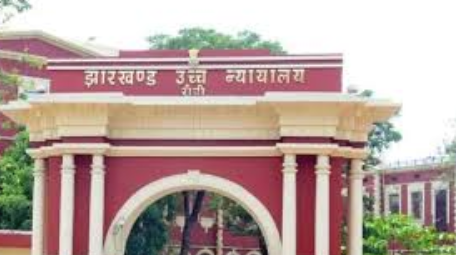
In a major legal setback, the Jharkhand High Court has rejected the bail plea of suspended IAS officer Vinay Chaubey in connection with the high-profile Hazaribagh Sevayat land irregularities case. The decision comes after the court reserved its verdict last week following detailed arguments from both the prosecution and the defence.
Chaubey, a 1999-batch IAS officer of the Jharkhand cadre, has been in judicial custody for nearly 11 months. With this latest order, his continued detention is set to persist despite earlier relief in a separate case. The case has attracted significant public and administrative attention due to the seniority of the officer and the nature of the allegations.
The case, registered as ACB Case No. 11/2025, revolves around alleged illegal transactions involving Sevayat land in Hazaribagh. Under existing laws in Jharkhand, Sevayat land—traditionally linked to religious or community purposes—cannot be transferred or sold without strict compliance with legal provisions. Investigating agencies, including the Anti-Corruption Bureau (ACB), have accused Chaubey of playing a central role in facilitating such transactions during his tenure as Deputy Commissioner of Hazaribagh.
Officials allege that these land deals were executed in violation of established rules, raising serious concerns about administrative oversight and misuse of authority. The prosecution argued that the gravity of the offence and the potential impact on public resources warranted denial of bail at this stage.
Vinay Chaubey has had a long administrative career, holding several key positions in the Jharkhand government. He has served as Principal Secretary to Chief Minister Hemant Soren, Secretary in the Excise Department, and Principal Secretary in the Panchayati Raj Department. He also held the position of Managing Director of the Jharkhand State Beverage Corporation Limited before his tenure as Deputy Commissioner in Hazaribagh, which is now under scrutiny.
In addition to the land scam, Chaubey is facing multiple legal challenges. In the 2022 liquor policy case, he was arrested in May 2025 over alleged irregularities that reportedly caused a loss of around ₹38 crore to the state exchequer. However, he was recently granted bail by the Supreme Court in that matter.
Another ongoing investigation relates to disproportionate assets, where authorities are examining allegations that his assets exceed his known sources of income by over 50 percent. This probe reportedly extends to his family members as well.
Despite securing relief in the liquor policy case, the rejection of bail in the land scam means Chaubey will remain in custody. The High Court’s decision underscores the seriousness with which economic and land-related offences are being treated, especially when they involve senior public officials.
The case is being closely watched as it raises broader questions about governance, transparency, and accountability in administrative decision-making. With multiple investigations still underway, the final outcome could have far-reaching implications for bureaucratic conduct and regulatory oversight in Jharkhand.