


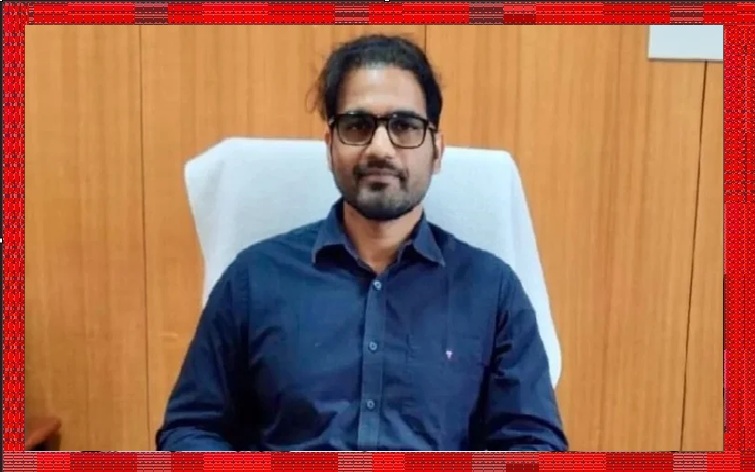
KPSC Veterinary Officer Exam Probe: IAS Gyanendra Kumar Gangwar Detained After 21 Hours of CID Questioning
IAS officer Gyanendra Kumar Gangwar has been detained by Karnataka CID after more than 21 hours of questioning in the KPSC veterinary officer exam case involving alleged OMR tampering and a job-for-cash racket.
Karnataka CID Detains IAS Officer Gyanendra Kumar Gangwar in KPSC Exam Case
Bengaluru: The investigation into alleged irregularities in the Karnataka Public Service Commission’s recruitment examination for veterinary officers has taken a dramatic turn, with the Karnataka Criminal Investigation Department detaining IAS officer Gyanendra Kumar Gangwar after two prolonged rounds of questioning.
The 2016-batch IAS officer, who is currently serving as Director of Micro, Small and Medium Enterprises in Karnataka’s Department of Industries and Commerce, was questioned by CID officials for more than 21 hours over Friday and Saturday. Investigators are examining his role and the functioning of the KPSC during his tenure as Controller of Examinations, particularly in connection with allegations of OMR sheet manipulation, compromised examination material and a suspected job-for-cash network.
Gangwar Questioned for More Than 21 Hours
Gangwar appeared before the investigating officer at the CID headquarters on Palace Road in Bengaluru on Friday after receiving a notice directing him to join the investigation. The questioning continued for more than nine hours that day, following which he was asked to appear again on Saturday.
The second round reportedly lasted more than 13 hours, taking the total questioning time to over 21 hours in just two days. According to officials, investigators were seeking detailed answers about the examination process, the handling of confidential material and other issues connected with the recruitment examination.
A senior police officer reportedly claimed that Gangwar was not fully cooperating with the investigation and was allegedly avoiding giving clear responses to some of the questions. The CID subsequently detained him, with investigators indicating that custodial interrogation could be necessary to examine the allegations and establish the sequence of events.
Gangwar is expected to be produced before the jurisdictional court, where the investigating agency may seek custody for further questioning.
Why Is the IAS Officer Under Investigation?
A key reason for the scrutiny of Gangwar is his previous position at the Karnataka Public Service Commission. He served as Controller of Examinations from February 2024 until March 2026, a period that covers the January 2026 veterinary officer recruitment examination.
The examination was conducted for the recruitment of 400 veterinary officers, and its final selection list was released on July 17. The CID is now examining how examination records were maintained, how OMR answer sheets were handled and whether confidential material was adequately protected throughout the process.
Investigators are also looking at the roles played by KPSC officials and other individuals who may have had access to examination-related material. The central question is whether the alleged irregularities were isolated incidents or part of a wider attempt to manipulate the recruitment process.
Allegations of OMR Sheet Manipulation
The controversy came to the fore after veterinary doctors who appeared for the recruitment examination approached the Vidhana Soudha police with complaints about alleged irregularities.
One of the most serious allegations concerns the OMR answer sheets. Complainants have alleged that some OMR sheets were tampered with or manipulated to benefit particular candidates, raising questions about the integrity of the evaluation and selection process.
The allegations have also gone beyond examination records. Aspirants have claimed that a possible job-for-cash racket operated around the recruitment process, with middlemen allegedly demanding amounts ranging from ₹70 lakh to ₹80 lakh from candidates in return for helping them secure appointments.
Some complainants reportedly submitted audio recordings as supporting material in connection with the alleged monetary transactions. Whether those recordings establish criminal wrongdoing will be a matter for investigators and, ultimately, the courts to determine.
Questions Raised Over Candidates and Examination Conduct
The complaints have also raised several other questions about the examination. Among them are allegations that some candidates may have written the examination at resorts, while unusually high marks obtained by certain successful candidates have also reportedly come under scrutiny.
Some aspirants have further alleged connections between selected candidates and influential individuals associated with the KPSC. There have also been claims that some candidates who were successful in the recruitment process had previously failed their degree examinations.
These are allegations made in the course of the investigation and have not been established as facts. The CID’s inquiry, along with forensic examination of examination material, is expected to determine whether there was any manipulation or coordinated effort to influence the selection process.
CID Sends 658 OMR Sheets for Forensic Examination
The investigation has already moved beyond questioning individuals. The CID has reportedly sent 658 OMR sheets to the Forensic Science Laboratory for detailed forensic examination.
The purpose is to determine whether the answer sheets show signs of alteration, overwriting or other forms of manipulation. The forensic findings could become an important piece of evidence if investigators are able to establish that the documents were deliberately modified after the examination.
The CID is also examining the chain of custody of the OMR sheets and other confidential material. Investigators are trying to establish who had access to the documents, how they were stored and whether established safeguards were followed.
ED Conducting Separate Probe
The matter has also attracted the attention of the Enforcement Directorate, which is conducting a separate investigation into the financial aspects of the case.
The ED reportedly conducted searches at Gangwar’s Bengaluru residence on August 23 and also searched premises in Bareilly, Uttar Pradesh. Its investigation has included scrutiny of the handling of confidential Karnataka Administrative Service examination material.
The agency has reportedly raised questions over the absence of mandatory CCTV footage relating to the preparation and printing of KAS question papers in the Controller of Examinations’ chamber.
This aspect has drawn attention because the Controller of Examinations was authorised to select and print examination question papers. Investigators are therefore examining the procedures followed inside the chamber and whether the absence of surveillance footage points to a breach of established safeguards.
Gangwar’s Role as KPSC Controller Under Scrutiny
Gangwar’s tenure as Controller of Examinations has become particularly relevant because the veterinary officer examination was conducted during his time in that position.
The CID is examining the administrative chain surrounding the examination, including the preparation and handling of confidential material, the custody of OMR sheets and the eventual compilation of results. Investigators will also have to establish whether any individual had the opportunity to interfere with the examination process and, if so, whether such interference actually took place.
The prolonged questioning of Gangwar indicates that investigators are seeking answers on several aspects of the case. His detention, however, should not by itself be treated as proof that the allegations against him have been established.
What Happens Next?
The immediate next step is likely to be Gangwar’s production before the jurisdictional court. The CID may seek custodial interrogation, depending on the grounds presented before the court and the investigation’s requirements.
The forensic examination of the 658 OMR sheets could also prove crucial in the coming stages. If investigators find evidence of manipulation, they may examine the specific sheets, identify the candidates concerned and attempt to trace who had access to them.
At the same time, the ED’s parallel investigation could bring a financial dimension to the case, particularly if investigators find evidence supporting the allegations of monetary transactions linked to appointments.
For now, the KPSC veterinary officer recruitment case remains under investigation. The allegations concerning OMR tampering, examination security, unusually high scores and an alleged ₹70 lakh to ₹80 lakh job-for-cash racket will have to be tested against documentary, forensic and other evidence before responsibility can be conclusively established.