

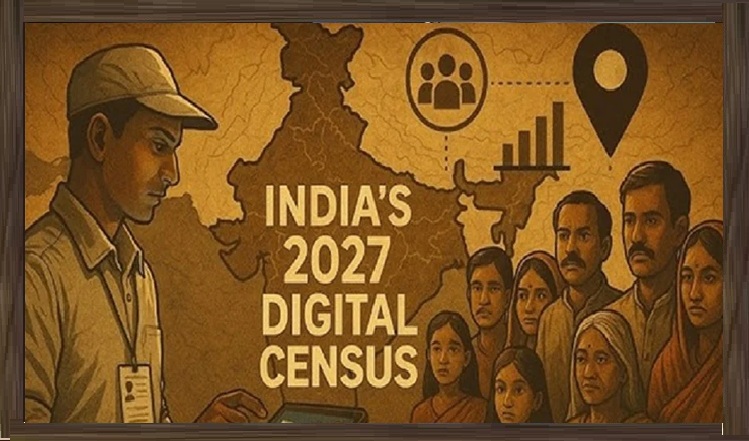
Meghalaya Chief Secretary Shakil P. Ahammed Calls for Inclusive Census 2027, Says No One Should Be Left Out
Meghalaya Chief Secretary Dr Shakil P. Ahammed has urged officials to ensure complete population enumeration during Census 2027, emphasising that accurate demographic data is essential for inclusive development, effective policymaking and the delivery of government welfare schemes. He has called for special attention to remote areas and vulnerable communities to ensure that every individual is counted.
Shillong: Meghalaya Chief Secretary Dr Shakil P. Ahammed, a 1995-batch IAS officer, has stressed the need for comprehensive population enumeration during Census 2027, urging officials to ensure that no individual or community is left out of the exercise.
Addressing a state-level training conference in Shillong, Ahammed highlighted the importance of reliable population data for development planning, identifying gaps in essential services and improving the implementation of government welfare programmes.
He pointed out that accurate demographic information would help the administration assess the requirements of different communities, particularly in areas where access to healthcare, education, road connectivity and other public infrastructure remains a challenge.
The conference focused on enumeration procedures, digital tools, coordination among officials and public awareness ahead of the population enumeration phase.
Accurate Census Data Essential for Inclusive Development
Emphasising the importance of comprehensive enumeration, Ahammed said reliable population data would enable the government to understand the needs of different communities and identify regions requiring greater attention.
Census information provides an important basis for assessing population distribution and planning essential public services. Accurate figures can help authorities identify gaps in healthcare facilities, educational infrastructure, road connectivity and other development-related requirements.
For Meghalaya, where difficult terrain and geographically dispersed settlements can create challenges in reaching communities, comprehensive population enumeration assumes particular importance.
The Chief Secretary stressed that development planning and policy decisions should be supported by reliable demographic information reflecting the needs of the entire population.
Special Focus on Remote Areas and Vulnerable Communities
Ahammed called for special efforts to ensure that people living in remote locations and vulnerable communities are not excluded from Census 2027.
He emphasised that gaps in enumeration could affect the accuracy of population data and consequently influence the administration’s understanding of local requirements.
Reaching every individual is therefore essential to building a comprehensive picture of population distribution and identifying communities that may require greater attention in the delivery of public services.
The focus on inclusive enumeration is particularly relevant for areas where geographical and administrative challenges can make population coverage more difficult. The Chief Secretary urged officials to make the necessary arrangements to ensure that no eligible individual is missed during the exercise.
Public Awareness and Participation Key to Census 2027
The Chief Secretary also highlighted the importance of public awareness and cooperation in ensuring the success of the census exercise. Effective enumeration requires coordination between government officials and residents. Public outreach can help people understand the purpose of the census and the importance of providing accurate information during the process.
The training conference discussed ways to strengthen public engagement and improve administrative preparedness ahead of the enumeration phase.Officials were also briefed on enumeration procedures, digital tools and coordination mechanisms intended to support the smooth conduct of the exercise.
Public participation, combined with proper training of enumerators, is expected to be an important element in achieving comprehensive population coverage.
Training Conference Focuses on Enumeration Preparedness
The state-level training conference in Shillong focused on the operational requirements of conducting Census 2027 across Meghalaya.
The discussions covered several important areas:
Enumeration procedures: Familiarising officials with the processes and responsibilities involved in population data collection.
Digital tools: Understanding the use of technology to support the enumeration exercise.
Administrative coordination: Strengthening cooperation among officials and departments.
Public outreach: Improving awareness and encouraging participation among residents.
These preparations are intended to improve consistency in data collection and help officials address operational challenges during the exercise. Ahammed’s message placed particular emphasis on ensuring complete coverage, with special attention to communities and settlements that may be difficult to reach.
Census 2027 and Evidence-Based Governance
Census data provides an important foundation for understanding population characteristics and planning public services. Reliable demographic information helps governments assess changing requirements, identify underserved regions and make informed decisions on development priorities.
In Meghalaya, the emphasis on reaching remote settlements and vulnerable communities reflects the importance of capturing the state’s population accurately across different geographical areas.
Complete enumeration can help the administration develop a clearer understanding of the distribution and requirements of communities, supporting more informed decisions on welfare delivery and infrastructure planning.
By urging officials to ensure that no individual is left out, Dr Shakil P. Ahammed has highlighted the connection between accurate population data, inclusive development and effective public administration.
The success of the exercise will depend on administrative preparedness, coordination among officials and public participation, with comprehensive population coverage remaining the central objective.