

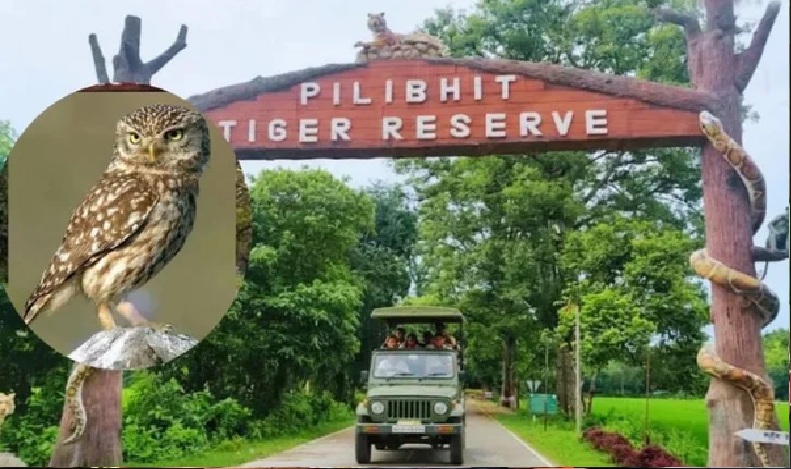
Pilibhit Tiger Reserve Intensifies Patrols Ahead of Diwali Amid Fears of Owl Poaching and Illegal Trade
Meta Description: Pilibhit Tiger Reserve steps up surveillance across all five forest ranges ahead of Diwali to prevent owl hunting and illegal wildlife trade linked to superstitious beliefs and occult practices.
Forest officials have placed all five ranges of Pilibhit Tiger Reserve on heightened alert amid concerns over the possible hunting, illegal capture and trafficking of owls during Diwali. Special surveillance is underway in sensitive forest areas, village fringes and stretches along the India-Nepal border.
The administration of Pilibhit Tiger Reserve in Uttar Pradesh has intensified wildlife protection measures ahead of Diwali, with a particular focus on preventing the hunting and illegal trade of owls allegedly driven by superstitious beliefs and occult practices.
Forest officials have stepped up patrolling across all five ranges of the reserve and instructed field personnel to maintain heightened vigilance in vulnerable areas. Special attention is being given to forest-fringe villages and locations along the India-Nepal border, where teams have been directed to monitor suspicious movements and prevent potential poaching activities.
The precautionary measures have been introduced amid concerns that some individuals may attempt to capture or trade owls during the festival, driven by unfounded beliefs that their sacrifice or use in occult rituals can bring wealth and prosperity.
All Five Forest Ranges Placed on High Alert
The Pilibhit Tiger Reserve administration has directed officials across all five forest ranges to strengthen surveillance and prevent poachers from entering protected areas. Forest personnel are conducting regular patrols in vulnerable locations, particularly forest stretches adjoining villages and areas close to the international border with Nepal.
The Deputy Director has instructed range-level officials to remain alert, closely monitor sensitive zones and take immediate action against any suspicious activity. The intensified monitoring is aimed not only at protecting owls but also at safeguarding other wildlife species that may be targeted by poachers during the festive period.
Superstitious Beliefs Raise Concerns Over Owl Hunting
Forest officials have expressed concern that the demand for owls may increase around Diwali because of certain superstitious beliefs associated with occult rituals. In some communities, owls are believed to possess mystical significance because the bird is traditionally associated with Goddess Lakshmi.
Unfounded beliefs that sacrificing an owl or using it in occult practices can bring financial prosperity have contributed to concerns about illegal hunting and wildlife trafficking. However, such practices have no scientific basis and pose a serious threat to wildlife conservation.
The forest department has therefore strengthened its preventive measures to ensure that owls are not captured, killed or traded illegally during the festival. Special patrol teams have been deployed to monitor vulnerable areas, while officials have been asked to respond promptly to reports of suspicious activities.
Strict Action Against Owl Poaching and Wildlife Trafficking
Pilibhit Tiger Reserve Deputy Director Manish Singh (IFS, 2013 batch) said that special vigilance arrangements had been put in place throughout the reserve in view of the approaching Diwali festival.
He confirmed that intensive patrolling was underway across all five forest ranges, with additional surveillance in sensitive forest areas and locations along the India-Nepal border.
Singh said the administration was taking concerns about owl hunting in the name of superstition and occult practices seriously. He warned that anyone found involved in hunting, illegally capturing or trafficking owls would face strict action under the applicable wildlife and forest laws.
The reserve administration has also appealed to local residents to refrain from superstitious practices and cooperate with forest officials in protecting owls and other wildlife. Officials have emphasised that festivals should be celebrated responsibly, without harming birds, animals or their natural habitats.
The heightened security arrangements at Pilibhit Tiger Reserve underline the importance of preventive wildlife protection, particularly during festivals when superstitious practices can increase the risk of illegal hunting and trafficking.