


RBI Reelathon 2026 Launched in Kerala: DGP Ravada Chandrasekhar Leads Massive Youth Campaign Against Cyber Financial Frauds Across 150 Colleges
Kerala DGP Ravada Chandrasekhar launched RBI Reelathon 2026, a statewide cyber fraud awareness campaign across 150 colleges. The initiative focuses on digital banking safety, cyber hygiene, financial literacy, and online fraud prevention through student-led reel competitions.
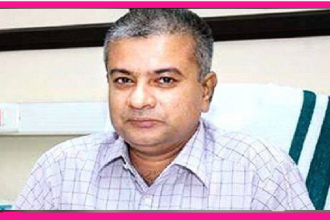
As cyber criminals continue to devise increasingly sophisticated methods to target unsuspecting victims, Kerala has launched an ambitious awareness initiative aimed at empowering young people with the knowledge needed to navigate the digital world safely. In a major step toward strengthening cyber awareness and financial literacy among students, Kerala State Police Chief Ravada Chandrasekhar officially inaugurated the Reserve Bank of India’s “RBI Reelathon 2026” in Thiruvananthapuram.
The campaign, spearheaded by the Reserve Bank of India’s Thiruvananthapuram office, seeks to educate college students about cyber financial frauds, responsible borrowing practices, safe digital banking habits, and online security measures. With participation planned across 150 colleges throughout Kerala, the initiative is being viewed as one of the state’s largest youth-focused awareness programmes dedicated to combating online financial crimes.
Officials involved in the programme believe young people can play a critical role in spreading cyber safety messages within families and communities, making them powerful ambassadors for digital awareness.
A Statewide Initiative Targeting the Digital Generation
The RBI Reelathon 2026 has been designed specifically to engage students in an era where digital transactions, online banking, mobile payment platforms, and internet-based financial services have become an integral part of everyday life.
While these technological advancements have brought convenience and accessibility, they have also created new opportunities for cybercriminals.
Recognizing this growing challenge, the Reserve Bank of India has chosen a creative and interactive approach to reach younger audiences. Rather than relying solely on traditional lectures and awareness campaigns, the initiative combines education, participation, and digital content creation to ensure that cyber safety messages resonate with students.
By involving educational institutions across Kerala, the campaign aims to build a generation of digitally aware citizens capable of identifying and avoiding online financial traps.
Three-Phase Programme Designed for Maximum Impact
The RBI Reelathon 2026 has been structured as a carefully planned three-stage campaign that combines learning, creativity, and public engagement.
Phase One – Awareness and Education
The first stage focuses on educating students about the fundamentals of digital financial safety.
Participating colleges will organize awareness sessions covering topics such as:
Responsible borrowing practices
Safe use of digital banking services
Protection against cyber financial frauds
Secure online transaction methods
Risks associated with unauthorized financial platforms
Experts from banking institutions, financial regulators, and cyber security backgrounds are expected to interact with students and explain emerging fraud patterns.
The objective is to help students understand not only how cyber frauds occur but also how they can protect themselves and others.
Phase Two – Student-Led Reel Creation Competition
The second phase introduces a creative element through a statewide reel-making competition.
Students will be encouraged to produce short, engaging videos highlighting important cyber safety themes.
Topics identified for the competition include:
Fake loan application scams
Mule account networks
Online financial fraud schemes
Digital hygiene practices
Safe online behavior
Financial security awareness
Organizers hope that peer-to-peer communication through short-form digital content will help spread awareness far beyond classrooms.
With social media becoming a primary source of information for young people, officials believe student-generated content can significantly amplify public understanding of cyber risks.
Phase Three – Recognition and Public Outreach
The campaign will culminate in a grand finale later this year, where the best entries from across Kerala will be evaluated and rewarded.
Winning videos will not only receive financial incentives but will also become part of broader awareness efforts through official digital platforms.
The final phase is expected to attract participation from students, educators, bankers, cyber security experts, and law enforcement officials.
DGP Ravada Chandrasekhar Highlights Growing Cyber Threat
Addressing the gathering during the launch event, State Police Chief Ravada Chandrasekhar expressed concern over the rapidly evolving cybercrime landscape.
According to the DGP, cyber fraud is no longer merely a technological issue. It has emerged as a major social challenge affecting people across age groups, professions, and economic backgrounds.
He noted that cybercriminals are becoming increasingly innovative and are exploiting technology to deceive individuals through manipulation, misinformation, and psychological tactics.
The DGP warned that fraudsters are particularly successful when they exploit trust, fear, urgency, or greed.
He emphasized that awareness remains one of the most effective tools in combating cybercrime.
Emerging Fraud Trends Raise Alarm
During his address, Ravada Chandrasekhar drew attention to several cybercrime trends that have witnessed significant growth in recent years.
Among the threats highlighted were:
Fraudulent investment schemes promising unrealistic returns
Digital arrest scams
Fake employment offers targeting job seekers
Unauthorized loan application platforms
Mule account recruitment networks
Online identity theft operations
He explained that many victims lose substantial amounts of money simply because they are unaware of the tactics employed by cybercriminals.
Young people, in particular, are increasingly being targeted through social media platforms, messaging applications, gaming ecosystems, and digital financial services.
The DGP urged students to remain cautious while sharing personal information online and to verify financial opportunities before engaging with them.
Importance of the “Golden Hour” in Cybercrime Cases
One of the most important messages delivered during the event related to the concept known as the “Golden Hour.”
According to the DGP, the first few minutes and hours after a cyber fraud takes place are often critical.
Prompt reporting can dramatically improve the chances of:
Freezing fraudulent transactions
Blocking suspicious accounts
Tracking digital trails
Identifying perpetrators
Recovering stolen funds
He encouraged victims to immediately contact official cybercrime reporting channels whenever they suspect fraudulent activity.
Delays, he cautioned, often provide cybercriminals with sufficient time to move funds across multiple accounts, making recovery far more difficult.
Strong Participation from Banking Sector Leadership
The launch event witnessed the participation of several senior representatives from India’s banking and financial ecosystem.
Among those present were:
E B Chindan, Banking Ombudsman for Kerala
K V Bangarraju, Chief General Manager of SBI Kerala Circle
Senior executives from leading public sector banks
Their presence underscored the collaborative nature of the initiative.
Cyber financial fraud has emerged as a challenge that requires coordinated action from regulators, financial institutions, law enforcement agencies, educational institutions, and citizens.
Officials noted that awareness campaigns become significantly more effective when all stakeholders work together.
Attractive Cash Prizes Announced for Winners
To encourage enthusiastic participation, organizers have announced substantial cash awards for the best reel creators.
The prize structure includes:
First Prize – ₹75,000
Second Prize – ₹50,000
Third Prize – ₹25,000
Apart from monetary rewards, winning entries will gain significant visibility through official channels.
The selected videos will be featured on the Reserve Bank of India’s social media platforms and promoted through Kerala Police digital networks.
Organizers expect this exposure to help spread cyber safety messages to a much larger audience across the country.
RBI’s Broader Mission of Financial Literacy
Officials explained that RBI Reelathon 2026 is part of a larger effort to improve financial literacy and digital awareness among citizens.
The Reserve Bank of India has increasingly focused on educating the public about safe banking practices as digital transactions continue to grow rapidly.
The campaign seeks to achieve several objectives, including:
Promoting responsible digital banking habits
Encouraging safe borrowing decisions
Improving financial literacy among youth
Reducing vulnerability to cyber fraud
Strengthening public confidence in digital financial systems
By combining education with creativity and youth participation, RBI hopes to create a sustainable awareness model that can influence communities far beyond college campuses.
Building a Cyber-Safe Future
As cyber threats continue to evolve, experts believe awareness campaigns like RBI Reelathon 2026 will play a crucial role in protecting citizens from financial fraud.
Kerala’s decision to involve 150 colleges and thousands of students reflects a recognition that combating cybercrime requires informed and vigilant citizens.
With support from law enforcement agencies, banking institutions, regulators, and educational organizations, the initiative aims to transform students into cyber safety advocates capable of spreading crucial awareness messages throughout society.
For Kerala Police and the Reserve Bank of India, the campaign represents more than just an awareness drive. It is an investment in building a digitally secure future where citizens are better equipped to identify, resist, and report online financial crimes.