The selection of Telangana’s next Director General of Police (DGP) has reached a critical stage following a February 5, 2026, Supreme Court directive. The apex court has granted the Union Public Service Commission (UPSC) a strict four-week deadline to finalize a panel of three officers, aiming to end nearly nine years of “acting” DGP arrangements in the state.
The Selection Debate: Key Contenders and the Seniority List
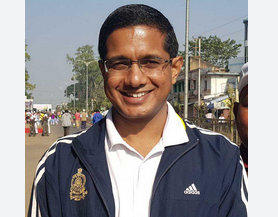
The current seniority list of eligible IPS officers from the Telangana cadre features a few prominent names. The final panel will likely be drawn from these senior-most officers:
The “Residual Service” Controversy
The selection hinges on a technical UPSC guideline: Officers must have a minimum of six months of residual service from the date the vacancy occurs.
The Conflict: If the UPSC considers the “date of vacancy” as February 2026 (when the court issued the current order), B. Shivadhar Reddy would be ineligible, as he has less than six months left before his April retirement.
The Counter-Argument: If the UPSC backdates the vacancy to September 2025 (when former in-charge DGP Jitender retired), Reddy would comfortably meet the six-month criteria.
The “Prakash Singh” Safety Net
Regardless of the retirement date, the Supreme Court’s landmark Prakash Singh judgment mandates that once a regular DGP is appointed from the UPSC panel, they are entitled to a fixed two-year tenure, even if they reach the age of superannuation during that period.
Why This Matters Now
End of “Acting” Chiefs: Telangana has not had a “regular” DGP (appointed through the formal UPSC process) since November 2017.
Judicial Accountability: Chief Justice Surya Kant recently warned that states use acting DGPs to circumvent independent appointments. The UPSC has now been authorized to report any further delays directly to the Supreme Court.