

Telangana Moves to Expand PM-RAHAT Hospital Network for Road Accident Victims
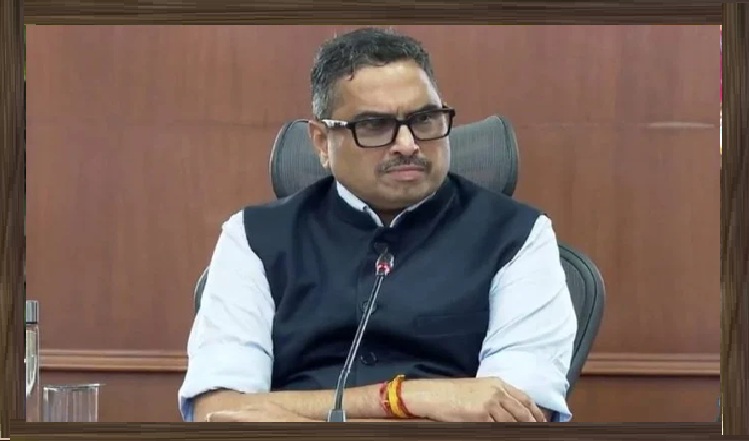
In a significant administrative push aimed at strengthening emergency medical care on the state’s roads, Telangana Chief Secretary Sanjay Jaju has directed district authorities to bring more eligible hospitals into the fold of the Pradhan Mantri Road Accident Victims’ Hospitalisation and Assured Treatment (PM-RAHAT) scheme.
The directive, issued during a review meeting with District Collectors, Superintendents of Police and transport officials, seeks to widen the reach of a central programme that offers cashless treatment of up to ₹1.5 lakh to road accident victims.
A Disparity in Numbers
The Chief Secretary, a 1992-batch IAS officer of the Telangana cadre, pointed to a notable gap between the state’s existing healthcare infrastructure and its utilisation under the central scheme. Although more than 1,000 hospitals stand empanelled under Telangana’s own Aarogyasri health initiative, a mere 469 have so far enrolled under PM-RAHAT. Jaju impressed upon district administrations the need to bridge this divide and ensure that the remaining eligible network hospitals complete the enrolment process without further delay.
The Golden Hour and Its Criticality
Throughout the review, the Chief Secretary underscored the paramount importance of timely medical intervention, particularly during the “golden hour” that follows an accident — that brief window in which prompt treatment can spell the difference between life and death. He observed that rushing accident victims to a nearby hospital without delay remains the single most decisive factor in improving survival rates, and that a denser network of participating hospitals would make such swift access possible across the length and breadth of the state.
What PM-RAHAT Offers
Launched by the Central Government in February 2026, PM-RAHAT is designed to provide cashless treatment to eligible road accident victims, thereby sparing them the burden of arranging immediate payment during an emergency. Under the scheme, a victim may receive treatment cover of up to ₹1.5 lakh, valid for a maximum of seven days from the date of the accident. The scheme extends to eligible motor vehicle accidents occurring on any category of road, and victims or bystanders may dial 112 to learn of the nearest designated hospital and to summon ambulance assistance.
The programme operates through a digital framework that links accident records, hospital treatment and claim processing. Police authentication is required within stipulated timelines, and approved claims are settled in accordance with the scheme’s prescribed payment procedures. Hospitals treating patients under PM-RAHAT are expected to adhere strictly to these requirements, including the procedures connected with police verification and the investigation of road accidents.
Financial Relief for the State
Beyond the immediate humanitarian benefits, the Chief Secretary noted that PM-RAHAT could channel at least ₹100 crore annually towards medical treatment, thereby easing the financial strain on Telangana’s Aarogyasri scheme. The expansion of the hospital network, he suggested, would serve the twin purpose of extending care to those who need it most while conserving state resources.
A Collective Responsibility
The effective implementation of the scheme, Jaju emphasised, demands close coordination among district administrations, police, transport officials and hospitals. District Collectors have accordingly been instructed to liaise with the relevant authorities and ensure that every eligible network hospital is brought on board.
The review concluded with a clear message: the success of PM-RAHAT in Telangana will depend not merely on the scheme’s provisions, but on the swiftness and sincerity with which the state’s administrative machinery translates them into action — so that no road accident victim is denied timely care for want of a nearby empanelled hospital.