

West Bengal Police Reshuffle Before Assembly Elections: Four IPS Officers Transferred, Arish Bilal Named SP of Basirhat
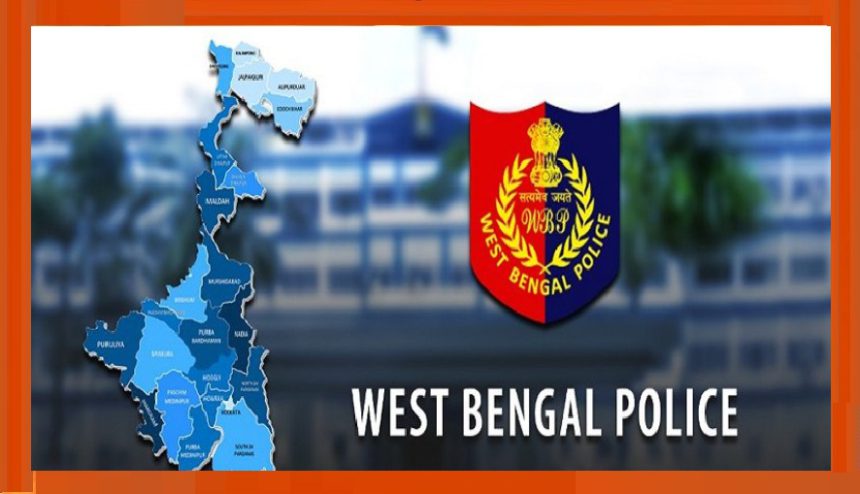
In a significant administrative exercise ahead of the forthcoming Assembly elections, the West Bengal government on Thursday ordered the transfer of four senior IPS officers occupying key positions in politically sensitive districts. The reshuffle, effected through a notification issued by the state Home Department, involves changes in the leadership of several district police units across north and south Bengal.
While the official communication states that the transfers have been made in the “public interest,” political and administrative observers interpret the move as part of a broader strategy to streamline law-and-order management before the election process formally gathers pace.
Major Changes in District Police Leadership
The latest reshuffle impacts the posts of Superintendents of Police (SPs) in strategically important districts considered sensitive during election cycles.
According to the government order:
Khandbahale Umesh Ganapath, IPS, who was serving as Superintendent of Police of Alipurduar district, has been reassigned as Superintendent of Police, Intelligence Branch (IB), North Bengal.
Arish Bilal, IPS, previously posted as Superintendent of Police in the Intelligence Branch of the state police, has been appointed Superintendent of Police of Basirhat Police District.
Dr Hossain Mehedi Rahman, IPS, who was heading the Basirhat Police District as SP, has been transferred to Jangipur Police District in Murshidabad.
Shaw Kumar Amit, IPS, earlier serving as Superintendent of Police of Jangipur Police District, has been posted as the new Superintendent of Police of Alipurduar district in north Bengal.
The notification directs all officers concerned to assume charge of their new assignments with immediate effect and remain in their respective posts until further orders.
Strategic Timing Ahead of Elections
Although the official rationale cited is “public interest,” administrative reshuffles of this nature, especially involving district police chiefs, are often viewed through the prism of election preparedness.
Senior police leadership at the district level plays a critical role in maintaining law and order, managing political mobilisations, and ensuring a secure environment for voters during campaign periods and polling days. With Assembly elections approaching, the state government appears to be recalibrating its administrative command structure in districts where electoral competition is expected to be intense.
Government sources indicate that such transfers are not uncommon before major elections, as they allow authorities to optimise deployment, reinforce sensitive zones, and ensure that experienced officers are positioned in strategically important locations.
Politically Sensitive Districts Under Spotlight
The reshuffle covers districts that hold particular political and administrative importance during elections.
Alipurduar
Situated in north Bengal, Alipurduar is considered electorally significant due to its demographic composition and strategic location. Effective policing in the district is viewed as essential for maintaining stability during campaign activities and polling operations.
Jangipur (Murshidabad)
Jangipur, located in Murshidabad district, is another politically crucial region. Murshidabad has historically played an important role in state politics, and constituencies in the area are expected to be closely contested in the upcoming elections. Law-and-order management in the district assumes added importance during the election cycle.
Basirhat
Basirhat has witnessed episodes of political tension in the past and is regarded as sensitive from a security standpoint, particularly during elections. The posting of a new SP here is likely aimed at strengthening administrative oversight and ensuring preparedness for heightened political activity.
Observers note that reassigning district police chiefs in such regions signals an effort to streamline leadership and enhance operational clarity before election-related activities intensify.
Model Code of Conduct Considerations
The timing of the reshuffle is also significant in light of the impending announcement of the election schedule by the Election Commission of India.
Once the Commission formally announces the election dates, the Model Code of Conduct (MCC) comes into effect. Under the MCC framework:
The police and civil administration function under the direct supervision of the Election Commission.
The state government’s authority to transfer or post officials becomes considerably restricted.
Any major administrative changes require prior approval from the Commission.
Administrative experts suggest that the present reshuffle may be aimed at finalising key postings before the MCC is enforced, thereby ensuring continuity and operational stability during the election period.
Reinforcing Law and Order Machinery
As the state prepares for Assembly polls, maintaining law and order, monitoring political developments, and coordinating intelligence inputs become central to the functioning of the police administration.
By repositioning senior IPS officers in districts deemed politically sensitive, the government appears to be strengthening its preparedness to handle:
Large-scale political rallies and campaign events
Inter-party tensions and localised disputes
Sensitive constituency management
Polling-day deployment and security arrangements
With the electoral calendar expected to be announced shortly, further administrative adjustments cannot be ruled out. The reshuffle underscores the heightened focus on governance, security planning, and institutional readiness as West Bengal moves closer to a crucial electoral exercise.