

16 Senior IPS Officers Retire Across India in April 2026, Marking Major Leadership Transition
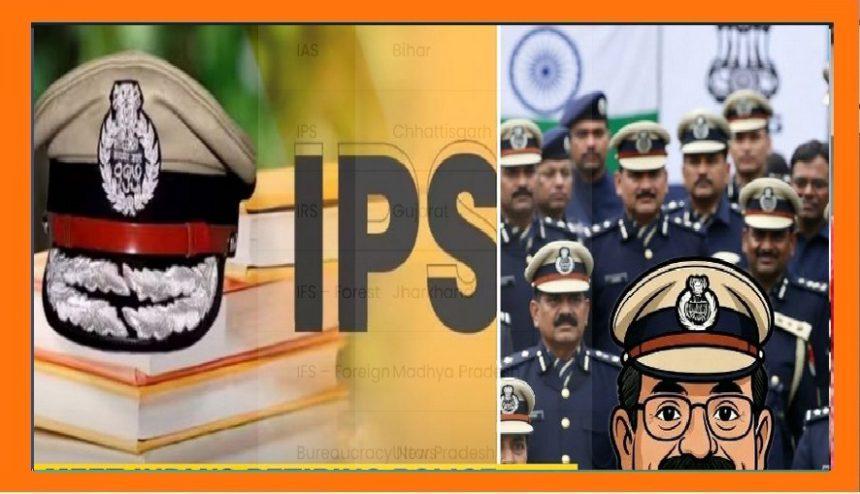
In a significant development reflecting a nationwide administrative transition, as many as 16 senior officers of the Indian Police Service (IPS) have superannuated in April 2026. The retirements span multiple state and joint cadres, marking the end of long and distinguished careers in policing, internal security, and public administration across India.
The officers who retired represent a diverse range of cadres, including Andhra Pradesh, Madhya Pradesh, Karnataka, Tamil Nadu, Uttar Pradesh, Telangana, West Bengal, and the AGMUT cadre (Arunachal Pradesh-Goa-Mizoram-Union Territories). This broad-based transition highlights a generational shift in leadership within India’s policing system.
Among those who have retired are Kasireddy V R N Reddy from Andhra Pradesh and Sandeep Goel from the AGMUT cadre, along with Padam Chand of Himachal Pradesh and B R Ravikantha Gowda of Karnataka. From Madhya Pradesh, two senior officers—Savita Sohaney and Jitendra Singh Panwar—have also completed their tenure.
Other notable retirements include Aotemsu from Nagaland, Sapna Tewari from Odisha, and Arpit Shukla from Punjab. Rajasthan cadre officer Rajendra Prasad Goyal and Tamil Nadu’s S Maheswaran also feature on the list of retiring officials.
From Telangana, senior officers B Shivadhar Reddy and G Sudheer Babu have stepped down, while Neera Rawat Kumar from Uttar Pradesh has also retired. The West Bengal cadre witnessed the retirement of two prominent officers—Siddh Nath Gupta and Gyanwant Singh—both of whom held key roles during their service.
These officers have collectively contributed decades of experience in critical areas such as law enforcement, intelligence operations, counter-insurgency, crime prevention, and administrative governance. Many of them have held top positions including Director General-level roles, influencing policing strategies and public safety policies in their respective states.
The retirement of such a large number of senior IPS officers at once is expected to trigger a series of promotions and reshuffles within various state police forces and central deputations. This transition opens up opportunities for mid- and senior-level officers to step into leadership roles, bringing fresh perspectives and new approaches to modern policing challenges.
Experts note that while such retirements are part of the routine administrative cycle, they are crucial for maintaining institutional continuity and adaptability. As experienced officers exit, the responsibility of upholding law and order, tackling emerging security threats, and leveraging technology in policing will increasingly fall on the next generation of IPS leaders.
Overall, the superannuation of 16 senior IPS officers in April 2026 marks not just the conclusion of distinguished careers, but also the beginning of a new phase in India’s policing landscape—one that will be shaped by evolving challenges, innovation, and leadership renewal.