

Urging Systemic Reform, Senior Bureaucrat Flags Time Mismanagement, Calls for Redefining Priorities in Governance
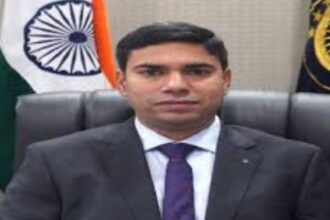
Ajitabh Sharma, a 1996-batch IAS officer and Principal Secretary of the Energy Department, Rajasthan, has stirred a thought-provoking conversation within bureaucratic circles by publicly questioning the current working model of Indian Administrative Service (IAS) officers.
In a candid LinkedIn post, Sharma stated that nearly 80% of an IAS officer’s time is consumed by “non-core” activities, leaving little scope for strategic work that truly drives departmental progress.
Routine Overload Hindering Core Governance
Highlighting the inefficiencies of the system, Sharma pointed out that officers spend most of their day attending meetings, resolving employee grievances, responding to RTI queries, managing court cases, clarifying media reports, replying to official letters, and preparing summaries. While acknowledging the importance of these duties, he emphasized that they divert attention from the department’s actual mission-critical responsibilities.
“Every day—RTIs, meetings, employee issues, letters… and the core work gets sidelined,” Sharma wrote. He added that such tasks, though repetitive across departments, trap officers in an unproductive cycle, restricting space for innovation and impactful reforms.
Core Departmental Work Takes a Back Seat
Sharma stressed that each department—be it energy, water, health, education, or agriculture—has distinct and complex core functions that demand focus and innovation. However, the prevailing system rarely allows officers the time or autonomy to address these effectively.
“There is a decades-old tradition of allowing routine work to dominate,” he remarked, warning that such a culture erodes the quality and responsiveness of public service delivery.
Challenging the Myth of Bureaucratic Invincibility
In a refreshing tone of honesty, Sharma rejected the oft-repeated belief that “no task is too difficult for an IAS officer.” “I’ve always found it difficult,” he admitted, adding that the obsession with routine and optics leaves little room for strategic, forward-looking governance.
His post doesn’t merely reflect personal frustration—it echoes a larger sentiment among civil servants who feel constrained by the very system they are tasked to lead. Sharma’s reflections raise fundamental questions about how governance can improve if officers are overwhelmed with repetitive administrative work.
Wider Reaction and a Growing Call for Reform
The post quickly went viral, resonating with many in the civil services and beyond. Several senior and retired IAS officers commended Sharma for his candidness and called the post a “long-overdue introspection.” Others praised the courage it took to speak out on a matter often ignored in official discourse.
The debate now turns to a key question: Should IAS officers be given greater autonomy to define their work priorities and focus more on transformational leadership rather than procedural maintenance?
As Sharma’s comments continue to spark discussion, they underscore a growing demand for systemic reform in how India’s bureaucracy functions—one that prioritizes innovation, core objectives, and genuine governance over red tape and routine.