

On the Issue of Staff Shortage, Supreme Court Seeks SOP from State
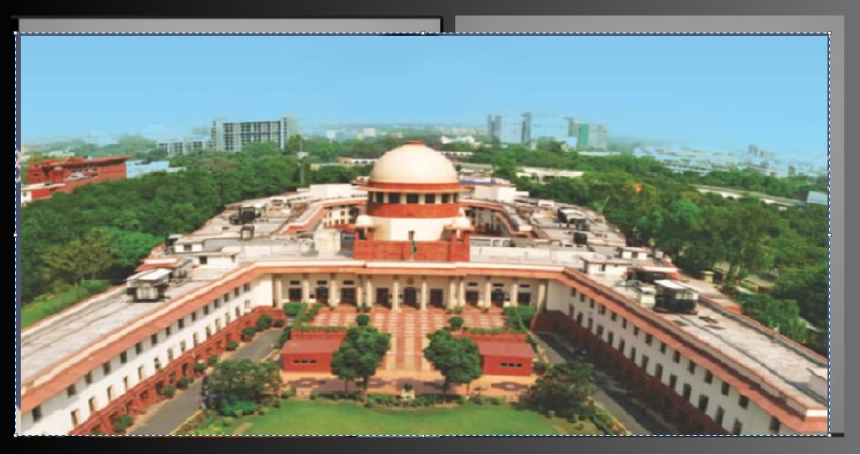
Acknowledging limited personnel, the Supreme Court has stayed a Madhya Pradesh High Court order that required all serious crime investigations to be overseen by teams headed by IPS officers of SP rank or higher. The court deemed the directive impractical given the shortage of senior officers and has asked the state to submit a Standard Operating Procedure (SOP) within three weeks.
State Raises Feasibility Concerns: Only 63 SP-Rank Officers for 38,000+ Heinous Crimes
Appearing before a bench of Justices K V Viswanathan and N Kotiswar Singh, Senior Additional Advocate General Nachiketa Joshi highlighted the disproportionate workload. He stated that expecting 63 SP-rank officers to personally supervise over 38,000 serious cases would impede their other critical duties.
HC’s Aim: Address Lapses in Crime Probes
The High Court’s order aimed to counteract frequent investigative lapses by forming district-level supervisory teams led by an SP-level IPS officer and a Sub-Inspector or higher. Investigating officers were to provide regular updates, with shared accountability for delays or deficiencies.
SC Response: Calls for Pragmatic Approach
Agreeing with the state’s argument, the Supreme Court found the order unfeasible and asked for an SOP that aligns with the High Court’s intent but remains viable within existing resources. The court emphasized maintaining supervisory integrity while optimizing senior manpower.
Alternative Proposed: DSP-Level Supervision
The state proposed entrusting oversight to DSPs or SDPOs, who are more numerically available and capable of addressing investigative shortcomings without overwhelming senior IPS ranks.
Wider Implication: Balancing Oversight and Capacity
The case highlights the tension between ensuring robust investigative oversight and managing resource constraints—a common challenge across Indian law enforcement agencies. The Supreme Court’s stay reflects a pragmatic attempt to preserve both judicial intent and administrative feasibility.