

22 IPS Trainees, Including Two Foreign Officers, Explore Maritime Security and Port Management at Visakhapatnam Port Authority
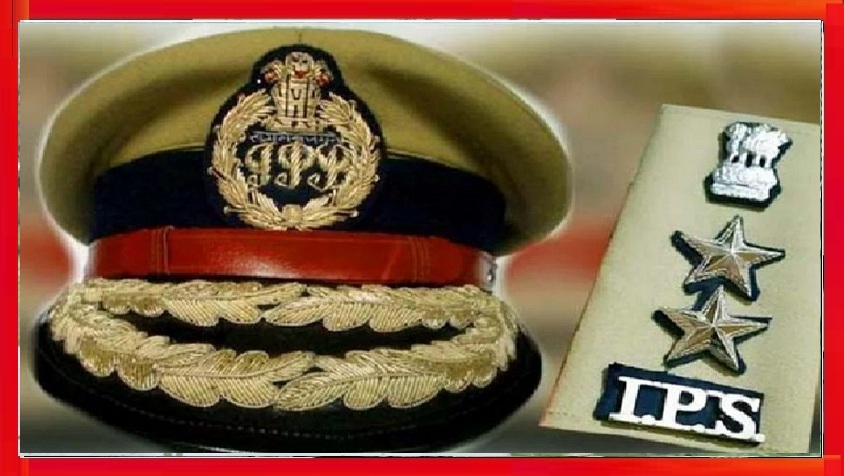
As India’s maritime infrastructure continues to play an increasingly strategic role in national security, trade and economic growth, understanding the complexities of coastal protection and port management has become an essential part of police leadership training. Keeping this objective in focus, a group of 22 IPS officer trainees, including two foreign police officers, from the Sardar Vallabhbhai Patel National Police Academy (SVPNPA), Hyderabad, visited the Visakhapatnam Port Authority (VPA) on Monday as part of their Maritime Security Module.
The educational visit was designed to provide future police leaders with practical exposure to one of India’s busiest and most strategically significant ports. Beyond learning how cargo moves through one of the country’s largest maritime gateways, the trainees were introduced to the intricate relationship between port operations, coastal security, logistics management, critical infrastructure protection and emerging maritime threats.
The programme combined technical presentations, interactive discussions and field-level briefings, allowing the probationary officers to better understand the growing role of maritime security in India’s overall internal security framework.
Training Beyond Traditional Policing
The visit formed an important component of the National Police Academy’s specialised training curriculum, which seeks to expose IPS probationers to sectors that extend beyond conventional law enforcement.
Today’s policing landscape demands that officers possess an understanding of critical infrastructure, transportation networks, cyber systems, logistics chains and national economic assets. Ports occupy a central position in this ecosystem because they serve not only as commercial hubs but also as vital strategic installations requiring constant security vigilance.
Against this backdrop, the Maritime Security Module gives trainee IPS officers an opportunity to study how policing, intelligence gathering, customs enforcement, port administration and coastal surveillance work together to secure India’s vast coastline.
The inclusion of two foreign police officers in the visiting delegation also highlighted the international dimension of professional police training conducted at SVPNPA.
Warm Welcome at Visakhapatnam Port Authority
The delegation was received by Visakhapatnam Port Authority Chairperson J. S. Bindra, who welcomed the trainee officers and introduced them to the significance of the port within India’s maritime economy.
During a detailed presentation, Bindra explained how Visakhapatnam Port has evolved into one of the country’s leading maritime gateways, handling diverse cargo while supporting industrial growth, international trade and regional economic development.
The presentation gave the officers an overview of the port’s infrastructure, operational capabilities and expanding role in strengthening India’s logistics network.
Officials also explained how modern ports are no longer limited to cargo movement alone. They have become highly integrated logistics ecosystems where technology, security, environmental sustainability and operational efficiency function together.
Understanding the Scale of Modern Port Operations
The trainee officers were introduced to the sophisticated systems that enable large-scale port operations to function efficiently on a daily basis.
Senior officials from the Visakhapatnam Port Authority explained how technology has transformed cargo handling, vessel management and logistics planning over the years.
The officers received detailed briefings on several important initiatives currently being implemented at the port, including:
Mechanised cargo handling systems that improve operational efficiency and reduce turnaround time.
Solar power generation projects that support sustainable energy consumption.
Reuse of treated water generated through sewage treatment plants for industrial applications.
Development of the International Cruise Terminal to strengthen cruise tourism and passenger services.
Modern Truck Parking Terminal and other infrastructure projects aimed at improving cargo movement and logistics management.
These presentations demonstrated how India’s ports are increasingly embracing automation, environmental sustainability and technological innovation to meet rising trade demands.
For the IPS trainees, the visit offered valuable insight into how security considerations are integrated into every stage of port operations.
Maritime Security Takes Centre Stage
One of the most significant aspects of the programme was its focus on maritime and coastal security.
India possesses a coastline stretching over 7,500 kilometres, making coastal surveillance and maritime protection an essential component of national security.
Recognising this reality, the interactive sessions focused on the security challenges associated with major ports and coastal regions.
Senior port officials discussed a range of issues, including:
Maritime security architecture.
Protection of critical port infrastructure.
Coastal surveillance mechanisms.
Emerging security threats in maritime regions.
Logistics-related vulnerabilities.
Coordination among multiple security agencies.
The discussions helped trainee officers understand that ports are exposed to diverse security risks ranging from smuggling and illegal trafficking to organised crime, sabotage, cyber threats and other activities that may impact national security.
Officials also explained the importance of coordination between port authorities, state police, coastal police, intelligence agencies, customs authorities and the Indian Coast Guard in safeguarding maritime assets.
Interactive Learning Through Real-World Exposure
Unlike classroom lectures, the visit enabled officers to connect theoretical concepts with practical realities.
Throughout the programme, the trainees interacted directly with senior port officials, asking questions about security protocols, operational procedures, emergency preparedness and infrastructure management.
The discussions covered both routine policing challenges and emerging concerns arising from increased maritime trade, larger cargo volumes and evolving logistics systems.
Such field interactions allow future IPS officers to appreciate the operational complexities of installations that play a crucial role in India’s economy as well as national security.
The exposure also highlighted how policing responsibilities increasingly intersect with specialised sectors such as shipping, international trade, supply chain management and critical infrastructure protection.
Sustainability and Technology in Port Management
Another important aspect highlighted during the visit was the growing emphasis on sustainable development.
Officials explained how environmental initiatives have become an integral part of modern port management.
The IPS trainees learned about the port’s efforts to reduce its environmental footprint through renewable energy generation and efficient water management practices.
Solar power projects and the utilisation of treated wastewater for industrial purposes were presented as examples of how large infrastructure organisations are integrating sustainability with operational efficiency.
The officers also gained insight into how digital technologies, automation and data-driven systems are reshaping the management of ports and logistics operations across the country.
Senior Officials Participate in the Programme
Apart from Chairperson J. S. Bindra, the visiting delegation also interacted with Deputy Chairperson Roshni Aparanji Korati, who participated in the programme and welcomed the officers.
Senior officials from different departments of the Visakhapatnam Port Authority joined the sessions to explain various aspects of port administration, cargo management, logistics planning, infrastructure development and maritime safety.
Their interactions offered the trainees a multidisciplinary perspective on how one of India’s busiest ports functions on a day-to-day basis.
Building Future Police Leaders for Emerging Security Challenges
The visit reflects the National Police Academy’s broader objective of preparing IPS officers for a rapidly changing security environment.
Modern policing increasingly requires officers to understand specialised sectors such as aviation, maritime security, cyber infrastructure, transportation networks, critical installations and disaster management alongside conventional law enforcement.
By exposing probationary officers to real-world maritime operations, the Academy aims to develop leaders capable of coordinating effectively with multiple agencies responsible for protecting strategic national assets.
The inclusion of practical learning modules such as this also strengthens the officers’ understanding of integrated security management, where policing extends beyond maintaining law and order to safeguarding infrastructure that supports India’s economic growth.
As India’s maritime sector continues expanding under initiatives aimed at boosting port capacity, logistics efficiency and global trade, the role of police and security agencies in protecting these critical assets is becoming increasingly significant.
The visit by the IPS officer trainees to the Visakhapatnam Port Authority offered an important opportunity to witness this evolving landscape firsthand, equipping the country’s future police leaders with valuable insights into maritime governance, coastal security and the operational dynamics of one of India’s most strategically important ports.