

ED Re-Summons Former Punjab Chief Secretary Anurag Verma on September 7 in Mohali CLU Probe
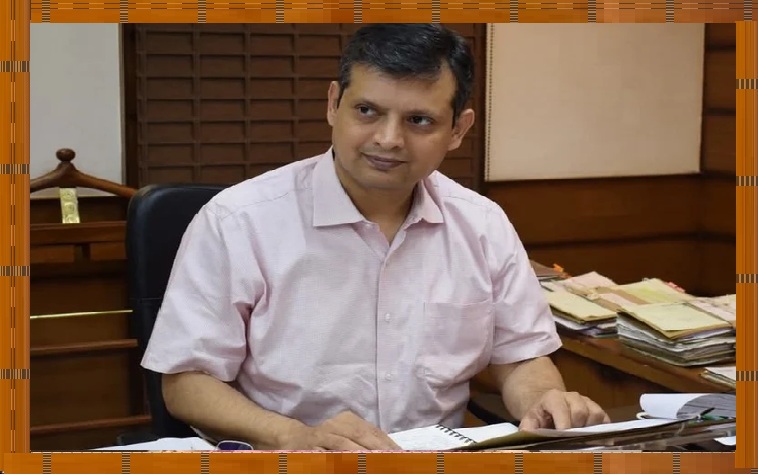
The Enforcement Directorate has issued a fresh summons to former Punjab Chief Secretary and senior IAS officer Anurag Verma, asking him to appear before the agency on September 7 as part of its ongoing investigation into alleged irregularities surrounding land-use permissions and real estate development projects in and around Mohali.
Verma, a 1993-batch Punjab cadre IAS officer, had earlier been asked to appear at the ED’s Jalandhar office on August 31. However, he sought additional time from the agency, citing the need to collect and compile documents that had been sought during the investigation. The ED has now fixed a new date and asked him to appear on September 7.
The case centres on alleged violations involving Change of Land Use, commonly referred to as CLU, along with modifications to approved layouts and various development permissions linked to projects associated with Suntec City and Altus Space Builders Private Limited. The agency is examining the administrative decisions and official records connected with these approvals.
Why Is Anurag Verma Under the ED’s Scanner?
The summons assumes significance because Verma was heading Punjab’s Housing and Urban Development Department during the period when several of the decisions now being examined by the investigating agency were taken. The ED is understood to be looking closely at the administrative trail behind the permissions, amendments and approvals granted in connection with the projects.
At the centre of the investigation is the question of how the relevant CLU permissions and layout changes were processed. The agency is examining whether established procedures were followed and whether any rules or regulatory requirements were allegedly relaxed while dealing with private real estate developers.
The investigation is not limited to one particular approval or document. Officials are examining a chain of administrative decisions, the movement of files, the authorities involved and the circumstances under which different permissions were granted or modified. The ED is also looking into whether any private entities allegedly benefited from these decisions.
At this stage, the allegations remain part of an ongoing investigation and do not amount to a finding of guilt against Verma or any other individual.
Suntec City and Altus Space Projects at the Centre of Probe
The ED’s investigation has brought projects linked to Suntec City and Altus Space Builders Private Limited under scrutiny. These developments have come into focus over questions surrounding land-use conversion, project layouts and regulatory approvals.
Another aspect being examined is the administrative history of changes made to the approved layout of the Muirwood Ecocity project in New Chandigarh. The probe is also looking at subsequent changes involving group housing sites within the project.
Such changes can have significant implications for large real estate developments because land-use permissions, sanctioned layouts and development approvals determine how land can legally be used and what kind of construction can take place on it. Any modification to an approved plan therefore generally requires examination of the relevant regulatory process and the authorities that approved it.
The ED is now attempting to reconstruct that process in detail. The agency’s focus is reportedly on determining how various decisions were taken, which officials were involved and whether the approvals complied with the applicable rules.
Earlier Summons Was Deferred
Verma’s fresh summons comes after his earlier appearance before the ED was postponed. He had been directed to report to the agency’s Jalandhar office on August 31 but requested an adjournment because he needed time to arrange the documents sought by investigators.
The request was subsequently accommodated, and September 7 has now been fixed as the new date for his appearance. His response to the fresh summons and the documents submitted to the agency could provide investigators with additional material as they examine the administrative decisions under scrutiny.
For the ED, documentary evidence can be particularly important in a case involving government permissions and regulatory approvals. File notings, correspondence, sanction orders, departmental communications and records of meetings can help establish how a decision moved through the administrative system.
Another Punjab-Cadre IAS Officer Also Questioned
Anurag Verma is not the only Punjab-cadre IAS officer whose role has come under examination in this case. IAS officer Kanwal Preet Brar has also been summoned by the ED and has appeared before the agency in connection with the investigation.
Brar has reportedly been asked to provide additional documents and records relevant to the probe. The involvement of multiple serving or former senior officials indicates that investigators are examining the broader administrative process rather than focusing on an isolated decision.
The agency’s investigation is aimed at establishing the chronology of events surrounding CLU permissions, layout modifications and other development-related approvals. Investigators are expected to examine how proposals were initiated, processed at different levels and ultimately approved.
The ED is also examining whether any irregularities in the process resulted in an alleged advantage to private developers. However, the investigation is still underway, and any conclusions will depend on the evidence gathered by the agency.
What Is the CLU Issue Being Investigated?
Change of Land Use, or CLU, is an important regulatory mechanism in urban development. It determines whether land can be used for a purpose different from the use originally permitted under the applicable planning and land-use framework.
For large real estate projects, CLU permissions can therefore be crucial. Developers may require such approvals before land can be developed for residential, commercial, group housing or other permitted purposes.
That is why any allegation concerning irregular CLU approvals can attract significant attention, particularly when large projects and multiple government departments are involved. In the present case, the ED is examining the permissions and changes associated with the projects as well as the administrative decisions behind them.
The agency is also looking into modifications made to sanctioned layouts. Such changes can involve alterations in the use or configuration of different portions of a development and may require fresh scrutiny or approval depending on the nature of the modification.
Who Is Anurag Verma?
Anurag Verma is a senior 1993-batch IAS officer belonging to the Punjab cadre. Over his long administrative career, he has held several important assignments in the state government and has worked in departments dealing with major areas of governance.
Verma served as Chief Secretary of Punjab from July 2023 until February 2024. As Chief Secretary, he was the state’s senior-most bureaucrat and was responsible for coordinating the functioning of the government machinery across departments.
Before and after his tenure as Chief Secretary, he handled several significant administrative responsibilities. He has also served in the Housing and Urban Development Department, a position that is relevant to the present ED investigation because the department was involved in matters concerning urban planning, development and land-use permissions.
Anurag Verma holds a B.E./B.Tech degree in Electronics and Communication Engineering and joined the Indian Administrative Service in September 1993.
Investigation Now Moves to the Next Stage
The fresh September 7 summons means investigators will get another opportunity to question Verma and examine documents relating to the decisions under investigation. His appearance could help the agency understand the administrative background of the permissions and layout changes that are now under scrutiny.
The ED’s broader task is to piece together the sequence of decisions and determine whether the processes followed in granting or modifying approvals were in accordance with the applicable rules. The agency is also examining the roles played by different officials and private entities connected with the projects.
For now, the matter remains under investigation. Being summoned by an investigating agency does not by itself establish criminal liability, and any allegations against individuals involved in the case will have to be assessed on the basis of evidence gathered during the proceedings.
The September 7 appearance is therefore likely to be another significant step in a probe that has brought land-use permissions, real estate development approvals and the role of senior Punjab officials under the ED’s lens.