

Mugdha Sinha Opens ITDC’s Doors to Young IAS Officers, Showcases How India’s Tourism PSU is Reinventing Governance and Growth
ITDC Managing Director Mugdha Sinha hosted IAS Assistant Secretaries at the corporation’s New Delhi headquarters, offering an in-depth look at tourism governance, public sector leadership, institutional innovation, digital transformation, and the evolving role of tourism in India’s economic growth.
Mugdha Sinha Opens ITDC’s Doors to Young IAS Officers, Showcases How India’s Tourism PSU is Reinventing Governance and Growth
New Delhi: In an effort to deepen administrative learning and expose young civil servants to the realities of managing large public sector institutions, the India Tourism Development Corporation (ITDC) recently welcomed a group of IAS Assistant Secretaries to its headquarters in New Delhi. The visit formed part of the Government of India’s institutional attachment programme, an initiative designed to provide newly inducted officers with practical exposure beyond conventional government departments.
The interaction offered the young officers a rare opportunity to observe firsthand how one of India’s most prominent public sector enterprises in the tourism and hospitality sector functions, adapts, and contributes to national development.
At a time when tourism is increasingly being viewed as a major driver of economic growth, employment generation, cultural diplomacy, and regional development, the visit provided valuable insights into the intersection of governance, business management, and public service.
Mugdha Sinha Leads the Engagement
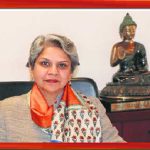
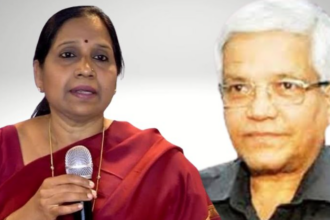
The programme was spearheaded by Mugdha Sinha, IAS, Managing Director of ITDC, who personally welcomed the visiting officers and guided them through the corporation’s operational framework, institutional philosophy, and strategic objectives.
During an extensive orientation session, Sinha introduced the Assistant Secretaries to ITDC’s evolving role within India’s tourism ecosystem. The discussion went beyond routine presentations, offering a broader understanding of how a public sector enterprise balances commercial viability with national priorities.
The interaction touched upon a range of subjects, including governance mechanisms, public sector leadership, tourism promotion strategies, innovation-driven growth, service delivery models, and institutional transformation.
Officials familiar with the programme noted that such engagements play an important role in helping future administrators understand the complexities of running large organisations that operate in highly competitive environments while remaining accountable to public objectives.
Senior Leadership Shares Institutional Insights
The orientation programme brought together several members of ITDC’s senior leadership team, creating a comprehensive learning environment for the visiting officers.
Among those participating were the Chief Vigilance Officer, Director (Finance), Director (Commercial and Marketing), departmental heads, and senior executives representing various operational and strategic divisions.
Their participation enabled the Assistant Secretaries to gain a multidimensional perspective on how decisions are taken, policies are implemented, resources are managed, and organisational goals are achieved within a major public sector undertaking.
Rather than focusing solely on administrative structures, discussions explored the practical realities of institutional management, stakeholder coordination, accountability systems, financial oversight, and operational execution.
The young officers were able to engage directly with experienced professionals responsible for steering one of India’s most recognized tourism-sector enterprises through a rapidly changing business landscape.
Understanding the Business of Tourism
One of the key highlights of the visit was an in-depth briefing on ITDC’s diverse range of operations.
Many people associate ITDC primarily with hotels and hospitality services. The corporation’s role, however, extends much further.
Officials explained how the organisation contributes to tourism infrastructure development, destination promotion, hospitality management, event support services, travel facilitation, and commercial operations that support India’s broader tourism objectives.
The Assistant Secretaries received detailed presentations covering the corporation’s history, growth trajectory, and strategic evolution over the years.
They were also introduced to several initiatives aimed at modernising operations and improving service delivery through technology-driven solutions.
As tourism becomes increasingly dependent on digital platforms, customer analytics, online booking systems, and integrated service ecosystems, ITDC has been actively embracing transformation to remain relevant and competitive.
The visiting officers were briefed on these digital initiatives and how technology is helping reshape public sector service delivery in the tourism domain.
Tourism as an Engine of Economic Development
A major theme throughout the discussions was tourism’s growing significance in India’s development journey.
Senior officials highlighted how tourism contributes not only to economic activity but also to employment creation, regional development, entrepreneurship, infrastructure expansion, and cultural preservation.
The sector supports millions of livelihoods across hospitality, transportation, handicrafts, food services, entertainment, and local businesses.
Participants discussed how effective tourism policies can stimulate investment, generate income in rural and remote regions, and promote balanced economic growth.
The Assistant Secretaries also explored some of the challenges confronting the sector, including infrastructure gaps, changing consumer preferences, sustainability concerns, global competition, and the need for continuous innovation.
By examining both opportunities and obstacles, the officers gained a more nuanced understanding of tourism governance and its broader policy implications.
Preparing Future Administrators for Complex Governance Challenges
The attachment programme reflects the Government of India’s larger vision of developing well-rounded administrators capable of understanding governance from multiple perspectives.
While civil servants traditionally spend much of their careers within government departments, exposure to public sector enterprises provides an additional dimension to their learning experience.
Managing a PSU often requires balancing commercial objectives with public responsibilities, navigating regulatory frameworks, ensuring financial sustainability, and maintaining service quality.
These realities offer valuable lessons for young IAS officers who will eventually assume leadership roles across various sectors of governance.
Officials involved in the programme noted that such institutional attachments help bridge the gap between policy formulation and operational execution.
The experience allows officers to see how strategic decisions translate into real-world outcomes and how organisations respond to changing market conditions while remaining aligned with public policy objectives.
Mugdha Sinha Emphasises Collaboration and Knowledge Sharing
Addressing the visiting officers, Mugdha Sinha highlighted the importance of continuous learning, institutional collaboration, and cross-sector engagement in modern governance.
She stressed that interactions between public institutions and emerging civil service leaders create opportunities for exchanging ideas, sharing experiences, and building a deeper appreciation of the challenges and opportunities that shape public administration.
According to officials present during the interaction, Sinha emphasized that effective governance increasingly requires leaders who can think beyond departmental boundaries and understand the interconnected nature of policy, business, technology, and citizen service delivery.
Her remarks resonated with the broader objective of the attachment programme, which seeks to cultivate administrators capable of navigating complex governance environments with confidence and adaptability.
Experiencing ITDC’s Organisational Culture
Apart from formal presentations and discussions, the Assistant Secretaries also had the opportunity to observe ITDC’s organisational culture and operational practices up close.
The visit enabled them to understand how teams collaborate across departments, how leadership structures function, and how institutional goals are translated into everyday actions.
Such exposure often provides valuable lessons that cannot be fully captured through classroom training or academic instruction.
By interacting directly with senior management and operational teams, the officers gained practical insights into leadership styles, decision-making processes, organisational accountability, and performance management.
A Shared Commitment to Nation Building
The programme concluded with an interactive exchange of ideas between the visiting officers and ITDC’s leadership team.
The discussions reinforced the importance of collaboration, adaptability, and continuous capacity-building in strengthening public institutions.
Participants reflected on the role that partnerships between government departments, public enterprises, and civil servants can play in improving governance outcomes and enhancing public service delivery.
For ITDC, the engagement underscored its commitment to supporting leadership development initiatives and contributing to the preparation of India’s future administrators.
For the Assistant Secretaries, the experience offered a valuable window into the workings of a major public sector enterprise that sits at the crossroads of tourism, economic development, cultural promotion, and public administration.
As India continues to invest in tourism as a strategic growth sector, interactions of this nature are expected to become increasingly important in building a generation of administrators equipped to lead with a broader understanding of governance, innovation, and nation-building.