J&K Chief Secretary Atal Dulloo Leads Major Push for Comprehensive Cancer Control Strategy Across Union Territory
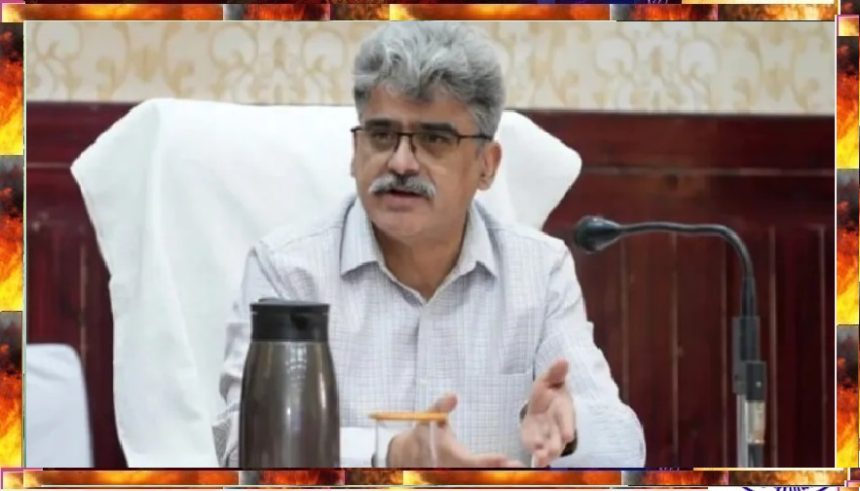
In a significant move aimed at strengthening the healthcare framework in Jammu and Kashmir, Chief Secretary Atal Dulloo chaired a high-level meeting to formulate a comprehensive cancer control strategy for the Union Territory. The proposed initiative seeks to create an integrated system focused on cancer awareness, prevention, early screening, diagnosis, treatment and long-term oncology care.
The meeting underscored the administration’s commitment to improving cancer care infrastructure and ensuring better access to quality medical services, especially for patients living in remote and underserved regions of Jammu and Kashmir.
The comprehensive strategy is expected to establish a coordinated healthcare response to the growing burden of cancer cases across the Union Territory while enhancing institutional capacity and streamlining oncology services.
Participation of Leading Medical and Research Institutions
The high-level review meeting brought together senior officials, medical experts and representatives from some of the country’s leading healthcare and research institutions. Key participants included representatives from the Sher-i-Kashmir Institute of Medical Sciences (SKIMS), Government Medical College Srinagar, Government Medical College Jammu, SKIMS Medical College, National Health Mission (NHM), Indian Council of Medical Research (ICMR) and Tata Memorial Centre.
Senior faculty members, oncology specialists and healthcare professionals from various medical colleges and healthcare institutions across Jammu and Kashmir also attended the meeting and shared their inputs on strengthening the region’s cancer care ecosystem.
Focus on Awareness and Early Detection
During the discussions, Chief Secretary Atal Dulloo emphasised the urgent need for extensive Information, Education and Communication (IEC) campaigns to increase public awareness regarding cancer prevention, symptoms, risk factors and the importance of early diagnosis.
He stressed that timely screening and early detection remain among the most effective tools in reducing cancer-related mortality and improving patient survival rates. Dulloo observed that many cancer cases in remote areas are detected at advanced stages due to limited awareness and inadequate access to diagnostic facilities.
The administration is therefore planning to intensify outreach programmes aimed at educating people about preventive healthcare practices and encouraging routine screening.
Cancer Registry to Strengthen Data-Based Planning
One of the key decisions taken during the meeting was the establishment of a robust Cancer Registry for Jammu and Kashmir. The proposed registry will facilitate systematic collection, monitoring and analysis of cancer-related data across the Union Territory.
Officials stated that the registry would help authorities identify disease patterns, monitor incidence rates, map high-risk districts and formulate targeted healthcare interventions based on scientific evidence.
The database is also expected to assist policymakers in resource allocation, infrastructure planning and long-term public health decision-making.
Screening Programme to Follow ICMR Guidelines
The Chief Secretary directed the Health and Medical Education Department to implement population-based cancer screening in line with guidelines issued by the Indian Council of Medical Research (ICMR).
He instructed officials to expedite the preparation of comprehensive screening protocols in collaboration with ICMR so that early detection mechanisms can be effectively introduced across urban and rural regions alike.
The proposed screening framework aims to make preventive oncology services more accessible and ensure that vulnerable populations receive timely medical attention.
Expert Committees Given One-Month Deadline
Reviewing the progress made so far, Dulloo directed the expert committees constituted earlier for the initiative to submit detailed action plans within one month.
The committees have been tasked with conducting a detailed assessment of cancer prevalence across Jammu and Kashmir, evaluating existing treatment facilities, identifying infrastructure and manpower gaps and recommending measures for capacity enhancement.
They have also been asked to estimate future workforce requirements, including trained oncologists, technicians, nursing staff and support personnel needed for expanding oncology services in the Union Territory.
Dedicated Core Team to Oversee Implementation
To ensure coordinated execution of the proposed strategy, the Health and Medical Education Department has been directed to constitute a dedicated core team comprising experts and professionals from various medical colleges and institutions.
The core team will supervise planning, implementation and monitoring of the cancer control programme while ensuring timely execution of all policy decisions and healthcare interventions.
Concerns Over Accessibility in Remote Areas
Medical experts participating in the meeting highlighted the challenges faced by cancer patients living in far-flung districts, where access to specialised diagnosis and treatment facilities remains limited.
Participants discussed measures to improve accessibility, strengthen healthcare infrastructure and bring advanced oncology services closer to patients residing in rural and mountainous regions of Jammu and Kashmir.
The proposed cancer control strategy is being viewed as a major step toward building a comprehensive, sustainable and patient-centric oncology framework in the Union Territory, with a strong focus on prevention, early intervention and equitable healthcare access.