Odisha IPS Reshuffle: Six Senior Officers Get New Roles Across CMO, Crime Branch and Key Police Wings
The Odisha government has rolled out another important reshuffle in its senior police leadership, assigning fresh responsibilities to six Indian Police Service (IPS) officers across the Chief Minister’s Office (CMO), the Crime Branch and several other crucial wings of the state police. The latest transfers are designed to strengthen leadership in specialised policing units while improving coordination between the police establishment and the state administration.
Unlike the large-scale transfer exercises that often involve district Superintendents of Police, this reshuffle focuses on senior officers serving in strategic positions. These assignments are considered particularly important because they influence crime investigations, administrative decision-making, internal coordination and policy execution at the highest levels of the Odisha Police.
The changes also come at a time when Odisha has witnessed a series of senior-level administrative developments within its police leadership, making every leadership adjustment at the top level especially significant.
Senior IPS Officers Assigned Fresh Responsibilities
The latest transfer order affects six senior IPS officers serving in different branches of the Odisha Police. Instead of concentrating on field policing, the government has chosen to strengthen specialised formations that play a critical role in investigations, administration and institutional coordination.
Such reshuffles are often viewed as more than routine personnel movements. Senior officers heading specialised wings shape policing priorities, supervise major investigations and ensure coordination between different branches of the police force.
The government’s decision indicates an effort to reinforce key institutional positions while ensuring experienced officers continue handling responsibilities that require administrative maturity and operational expertise.
Vinaytosh Mishra Gets Additional Charge in the CMO
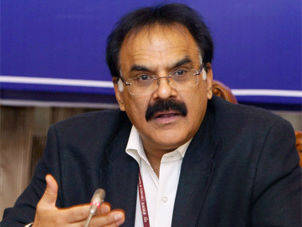
One of the most prominent decisions in the reshuffle is the assignment of additional charge in the Chief Minister’s Office to senior IPS officer Vinaytosh Mishra.The posting places him in a role that requires close interaction between the police establishment and the state’s executive leadership.
Officers serving in the CMO typically deal with high-level coordination involving security matters, administrative communication, governance monitoring and inter-departmental liaison.
The responsibility extends beyond traditional policing. It demands constant engagement with multiple government departments while ensuring that policing-related coordination remains aligned with broader governance priorities.
The assignment also reflects the growing importance of the Chief Minister’s Office in monitoring major government initiatives and maintaining close oversight of administrative functioning across departments.
Crime Branch Gets New DIG
Another significant change in the reshuffle concerns the Crime Branch, one of Odisha Police’s most important specialised investigative wings. Senior IPS officer M. Sandeep Sampat has been appointed as the Deputy Inspector General (DIG), Crime Branch, placing him in charge of supervising investigations handled by one of the state’s premier investigative agencies.
The Crime Branch deals with cases that frequently extend beyond district boundaries and often require specialised expertise. These include complex criminal investigations, economic offences, organised crime and other sensitive cases that demand careful coordination between multiple agencies.
As DIG, Sampat will be responsible for overseeing investigations, monitoring operational progress and ensuring effective coordination with district police units and specialised investigative teams.
The position carries considerable significance because the Crime Branch often handles cases that attract statewide attention and require technical as well as administrative supervision.
Other Senior Officers Shifted Across Key Police Wings
Apart from the changes in the CMO and Crime Branch, the government has reassigned other senior IPS officers across important police formations.
While the transfer order focuses on specialised wings rather than district policing, the broader objective appears to be strengthening leadership across multiple functional areas within the police organisation.
These assignments involve administrative responsibilities, operational supervision and institutional coordination that directly influence how specialised police units function on a day-to-day basis. Such transfers also allow experienced officers to bring fresh perspectives to different branches while ensuring continuity in leadership across critical institutions.
Why This Reshuffle Is Different
Unlike routine transfer exercises that largely affect district policing, the current reshuffle is concentrated around strategic institutional positions. Specialised police formations such as the Crime Branch perform responsibilities that extend across the entire state rather than being confined to individual districts.
They investigate complex cases, coordinate with other agencies and provide technical support for policing operations. Similarly, officers attached to the Chief Minister’s Office play an important role in ensuring smooth communication between the government and the police leadership.
By focusing on these positions, the Odisha government appears to be strengthening areas that influence both operational policing and administrative governance simultaneously.
Part of a Larger Police Leadership Transition
The latest reshuffle comes against the backdrop of broader developments in Odisha’s senior police leadership. The state has already witnessed important administrative decisions concerning the office of the Director General of Police (DGP) during the year, including developments related to senior-level leadership transitions and discussions surrounding the appointment of the state’s next regular police chief.
Those developments have kept attention firmly on the state’s policing hierarchy, making even relatively limited reshuffles at the senior level noteworthy from an administrative perspective.
Instead of waiting for large structural changes, the government appears to be making incremental adjustments aimed at strengthening leadership across different branches of the police force.
Importance of Senior IPS Transfers
Transfers involving senior IPS officers carry wider implications than ordinary administrative postings. Officers at this level oversee policy implementation, supervise specialised units, coordinate with government departments and influence institutional priorities. Their responsibilities often involve balancing operational policing with administrative decision-making.
In the Crime Branch, leadership directly affects investigation quality and coordination across multiple jurisdictions. Within the Chief Minister’s Office, police officers help maintain communication between law enforcement agencies and the highest levels of government, particularly on matters requiring prompt administrative attention. These roles therefore demand both policing experience and administrative competence, making leadership continuity especially valuable.
Strengthening Specialised Policing
The latest reshuffle also highlights the Odisha government’s emphasis on specialised policing. Modern policing increasingly relies on dedicated investigative units, intelligence coordination and specialised administrative structures rather than depending solely on district-level policing.
Crime investigations involving financial fraud, organised crime and interstate coordination require experienced supervisory officers capable of managing technically demanding cases.
Similarly, governance-related policing responsibilities require officers who understand both administrative procedures and operational policing requirements. The latest postings appear designed to strengthen these institutional capabilities.
What the Reshuffle Signals
Although the transfer order covers only six officers, its significance lies in the nature of the positions involved. Rather than making sweeping district-level changes, the government has chosen to reinforce leadership in institutions that shape policing strategy, investigations and administrative coordination.
The additional responsibility given to Vinaytosh Mishra in the Chief Minister’s Office and the appointment of M. Sandeep Sampat as DIG of the Crime Branch stand out as two of the most consequential decisions in the latest exercise.
Together with the reassignment of four other senior officers across important police wings, the reshuffle creates a refreshed leadership structure for several of Odisha Police’s specialised formations.
The coming months will reveal how these changes influence investigation quality, administrative coordination and institutional functioning as Odisha continues refining its senior police leadership framework to meet evolving governance and security priorities.