NHRC Directs Telangana DGP to Submit Report on Occult Ritual Allegations Against Harish Rao
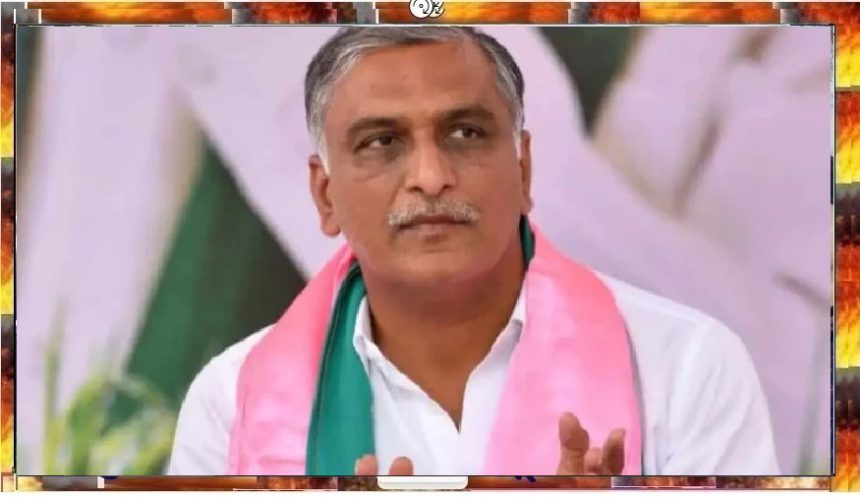
The National Human Rights Commission (NHRC) has taken cognisance of a complaint concerning allegations against Bharat Rashtra Samithi (BRS) leader and Siddipet MLA T. Harish Rao over alleged occult or tantric rituals. The complaint relates to claims that Rao performed such rituals with the alleged intention of preventing rainfall and causing drought in Telangana.
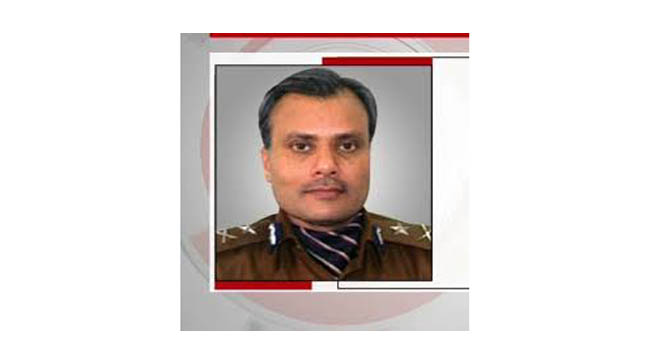
The NHRC has now directed Telangana Director General of Police C.V. Anand, a 1991-batch IPS officer of the Telangana cadre, to submit an Action Taken Report (ATR) on the matter within four weeks. The direction was issued by the Commission on September 9, putting the Telangana Police under a formal obligation to report what action, if any, has been taken on the allegations and the complaint submitted in connection with them.
Importantly, the NHRC’s intervention does not mean that the allegations against Harish Rao have been established. The Commission has sought a report on the complaint and the action taken on the issues raised by the complainant. The allegations themselves remain disputed and have become part of a wider political controversy in Telangana.
Complaint Filed Before NHRC in August
The complaint was filed before the NHRC on August 22 by Karupothula Revanth, a Telangana High Court advocate and social activist. According to the complaint, the controversy had already attracted public attention following statements allegedly made by individuals occupying high public positions.
The complainant referred to allegations that had reportedly been made since July 31 by people including the Telangana Chief Minister and a Government Whip. These allegations reportedly linked Harish Rao with tantric or occult practices allegedly performed at temples, with the claimed purpose of preventing rainfall and contributing to drought conditions in the state.
The complaint, however, questioned the evidentiary basis for such public claims. It stated that temple records, statements from priests, receipts or other documentary material supporting the allegations had not been made public.
This distinction is important because the NHRC’s order concerns the complaint and the alleged response of the authorities to it, rather than a finding on whether the allegations involving Harish Rao are true. The Commission has asked the state police to explain the action taken in response to the matter.
Representations Allegedly Made to Police
The complaint also refers to representations that were allegedly submitted to the police before the matter reached the NHRC. According to the complainant, representations were submitted at the Osmania University and Vanasthalipuram police stations on August 4.
A further representation was reportedly submitted to the office of the Telangana DGP on August 17. The complainant alleged that despite these representations, no First Information Report had been registered in the matter.
The complaint also stated that no reasons had been communicated for the alleged failure to register an FIR. It is this aspect, among other concerns raised before the Commission, that has now led to the NHRC seeking an Action Taken Report from the Telangana DGP.
The four-week deadline gives the police a defined period to place the relevant information before the Commission. The report is expected to indicate what steps were taken on the representations and address the concerns raised in the complaint.
Human Rights Concerns Linked to Superstition
The complaint goes beyond the immediate political controversy and raises a broader concern about the possible social consequences of publicly attributing rainfall or drought to occult practices.
The complainant argued that statements of this nature could potentially reinforce superstition in society. There was also concern that such narratives could contribute to accusations of witchcraft or other forms of social targeting against vulnerable sections of society.
The complaint specifically referred to women and widows, elderly people, and members of Scheduled Caste and Scheduled Tribe communities as groups that could potentially become targets of such accusations.
The concern raised before the NHRC is therefore not limited to the political dispute surrounding Harish Rao. It also touches upon the wider question of how public statements about superstition, alleged occult practices and unexplained events can affect vulnerable communities.
In rural and socially vulnerable settings, accusations linked to witchcraft or supernatural practices have historically had serious consequences for individuals and families. The complaint argues that irresponsible or unsubstantiated public claims could potentially contribute to such social harms.
NHRC Seeks Action Taken Report From DGP
The NHRC’s direction to C.V. Anand places the Telangana Police at the centre of the next stage of the matter. The DGP has been asked to submit the Action Taken Report within four weeks.
An ATR is intended to inform the Commission about the action taken by the concerned authorities in response to a complaint or direction. In this case, the report will be particularly relevant to the allegations that representations were made to police authorities but that no FIR was registered or reasons communicated for the alleged inaction.
The Commission’s move does not amount to a declaration that a crime was committed, nor does it establish the allegations made against Harish Rao. Instead, it represents a request for information and action from the state authorities in response to the complaint placed before the NHRC.
The distinction is significant given the politically sensitive nature of the issue. Harish Rao is a prominent BRS leader, and the allegations have emerged amid an ongoing political contest in Telangana.
Political Controversy Surrounding Harish Rao
The allegations have become part of a broader political exchange between the ruling Congress and the opposition BRS. Reports in August carried claims from Congress leaders alleging that Harish Rao had resorted to occult practices.
Rao and the BRS have disputed the allegations. As a result, the claims remain politically contested, and there has been no finding in the NHRC’s latest direction establishing that Harish Rao actually performed the alleged rituals or intended to influence rainfall through such practices.
The Commission’s action should therefore be viewed in the context of the complaint submitted by Revanth and the questions it raises about the response of the police authorities. The four-week report from the Telangana DGP is likely to provide the next substantive update on the official handling of the matter.
What Happens Next?
The immediate next step is for the Telangana Police to prepare and submit the Action Taken Report to the NHRC within the prescribed four-week period. The report is expected to address the representations mentioned in the complaint and explain what action was taken by the police authorities.
Depending on the contents of the report, the NHRC may decide what further steps are appropriate. At this stage, however, the Commission has not made a determination on the truth or otherwise of the occult-ritual allegations against Harish Rao.
The case has nevertheless brought together several sensitive issues, including political allegations, police accountability, superstition and the protection of vulnerable sections of society. It also highlights the role of the NHRC in seeking responses from state authorities when complaints raise questions concerning human rights and alleged administrative inaction.
For Harish Rao, the allegations remain disputed. For the Telangana Police, the immediate task is more specific: to place before the NHRC a clear account of the action taken on the complaint and representations that were allegedly submitted to the police.
The coming weeks will therefore be important in determining how the authorities respond to the Commission’s direction. Until the relevant authorities establish facts through due process, the allegations concerning occult rituals should remain understood as allegations rather than established conduct.