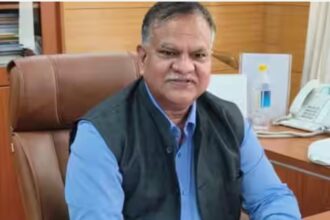
Uttar Pradesh is looking to put Lucknow on the national and international medical tourism map, with Chief Secretary SP Goyal, IAS (1989 batch), announcing plans to develop the state capital into a major healthcare destination for patients from across India and abroad.
Goyal said Lucknow already has many of the ingredients needed to build a successful medical tourism ecosystem. The city has specialised hospitals, advanced diagnostic facilities, experienced doctors, affordable treatment options and a well-established hospitality sector. The state government now wants to bring all these elements together through a coordinated roadmap rather than allowing them to operate in isolation.
Government to convene stakeholder meeting
The Chief Secretary said the government will soon organise a meeting involving key stakeholders from the healthcare and hospitality sectors. Representatives of hospitals, doctors, medical experts, medical tourism companies and the hotel industry are expected to participate in the proposed discussion.
The purpose of the meeting will be fairly practical – identify what Lucknow already has, find out where the gaps are and work out what needs to be added to make the city more attractive to patients seeking treatment from outside Uttar Pradesh and from overseas.
The proposed exercise is expected to result in a comprehensive roadmap for developing Lucknow as a medical tourism destination. It will also look at the support services patients and their attendants require during their stay, ranging from accommodation and transport to other facilities connected with long-duration medical treatment.
SP Goyal highlights Lucknow’s healthcare strengths
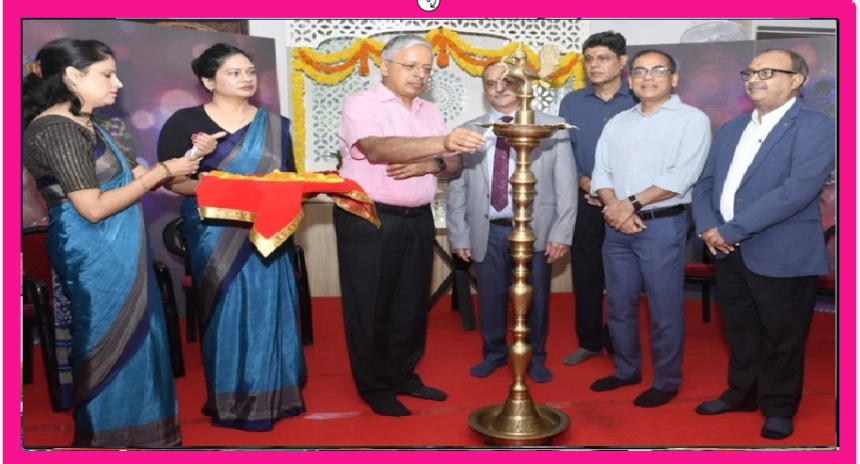
Speaking at an event organised to mark the completion of two years of HealthCity Vistar Super-specialty Hospital and Trauma Centre in Gomti Nagar Extension, Goyal said Lucknow is already well placed to take advantage of the growing medical tourism sector.
He pointed to the city’s combination of specialised healthcare facilities, modern diagnostic services, hospitals, trained medical professionals and hospitality infrastructure as major advantages.
According to the Chief Secretary, Lucknow has both government and private hospitals offering a wide range of medical services. The city also has advanced diagnostic facilities and comparatively affordable healthcare, factors that could make it attractive to patients looking for quality treatment without the much higher costs associated with some other major healthcare destinations.
The availability of hotels and other accommodation facilities is another advantage, particularly for patients who need to remain in the city for several days or weeks and for family members accompanying them.
Creating an integrated medical tourism ecosystem
The government is not looking at medical tourism simply as a hospital-based activity. The proposed roadmap is expected to take a broader view of the ecosystem required to support a patient travelling specifically for treatment.
A patient arriving from another State or country may require accommodation close to the hospital, transportation, diagnostic appointments, food and other support services. In many cases, family members or attendants stay alongside the patient throughout the treatment and recovery period.
That is why the proposed stakeholder meeting will bring the hospitality industry into the discussion alongside hospitals and medical professionals. The idea is to develop an environment in which patients can move through the entire treatment journey with fewer logistical difficulties.
Such an integrated approach could also create opportunities for hotels, transport providers, diagnostic centres, pharmacies and other healthcare support businesses.
Specialised treatment at the centre of the plan
Goyal’s announcement also comes against the backdrop of Lucknow’s expanding specialised healthcare infrastructure. The city has long been an important medical centre for Uttar Pradesh and neighbouring States, with patients travelling to the capital for treatments that may not be readily available in smaller cities.
The proposed medical tourism initiative seeks to build on that existing reputation. Instead of creating a healthcare destination from scratch, the government wants to strengthen and connect the infrastructure that is already available.
Expansion of specialised medical services will be an important part of this process. Greater availability of advanced treatment within Lucknow could reduce the need for patients from the region to travel to Delhi, Mumbai, Bengaluru, Hyderabad or other major medical centres for specialised procedures.
HealthCity Vistar expanding its treatment capabilities
The announcement was made at a function marking two years of HealthCity Vistar Super-specialty Hospital and Trauma Centre in Gomti Nagar Extension.
Hospital Managing Director Dr Sandeep Kapoor said the institution is continuing to expand its services in response to changing healthcare requirements. He said the objective is to make increasingly advanced forms of treatment available within Lucknow.
According to Kapoor, more than 100 senior doctors and surgeons are currently associated with the hospital and work across more than 25 super-speciality departments.
The hospital management is also planning a wider expansion of its facilities. One of its stated ambitions is to develop the institution into a training institute equipped with advanced medical infrastructure.
Robotics among planned additions
The hospital’s future plans include the introduction of robotics across departments. The proposed use of robotic technology is aimed at strengthening the institution’s capacity to offer sophisticated procedures and modern treatment options.
Robotic and technology-driven healthcare is increasingly becoming an important component of advanced medical treatment. For a city seeking to establish itself as a medical tourism destination, access to such technologies can make a difference when patients compare healthcare options across different cities.
Kapoor also highlighted the availability of local medical talent, noting that a large proportion of the doctors and specialists working with the hospital are from Lucknow itself.
Senior officials and medical professionals attend event
Around 200 guests attended the event organised to mark the hospital’s completion of two years.
The gathering included Padma Shri awardee and actor Anil Rastogi, along with Amit Kumar Ghosh, Additional Chief Secretary, Medical Health, Family Welfare and Medical Education Department, and ACS Home Sanjay Prasad.
Senior doctors, government officials and other representatives of the medical fraternity were also present.
The participation of senior government officials and healthcare professionals provided an opportunity to discuss the wider direction of Lucknow’s healthcare sector at a time when the government is exploring ways to expand the city’s role beyond serving patients from Uttar Pradesh.
Lucknow already attracts patients from neighbouring States
Lucknow’s medical tourism potential is not based solely on future plans. The city already attracts patients from several parts of Uttar Pradesh as well as neighbouring States.
Its government medical institutions, private hospitals, specialist doctors and diagnostic centres have helped establish it as a major healthcare centre in North India. The challenge now is to convert this existing patient flow into a more structured medical tourism ecosystem.
A formal roadmap could help identify the areas where the city needs additional investment. These could include specialised healthcare services, accommodation options, patient transportation, international patient assistance, diagnostics and other support facilities.
A coordinated system could also make it easier for hospitals and other service providers to market Lucknow as a complete healthcare destination rather than as a collection of individual medical facilities.
Hospitality sector expected to play key role
The inclusion of the hospitality sector in the proposed government initiative is particularly significant.
Medical travellers often have very different accommodation requirements from ordinary tourists. Patients undergoing major procedures may need to stay in a city for an extended period, while attendants may require affordable accommodation close to hospitals.
Hotels and other hospitality establishments could potentially develop services tailored to such visitors, including longer-stay arrangements and facilities suited to patients and families.
Bringing the healthcare and hospitality industries to the same table could help identify these requirements and create a more patient-friendly ecosystem.
Potential benefits beyond healthcare
If the proposed plan takes shape, its impact could extend well beyond hospitals and medical institutions.
A larger medical tourism industry could generate demand for hotels, transport services, diagnostics, pharmacies, rehabilitation facilities, food services and other businesses catering to patients and their families.
It could also create additional employment opportunities and strengthen Lucknow’s position as an important service-sector centre.
For the government, the larger objective is to combine healthcare quality with affordability and accessibility. If patients can receive advanced treatment in Lucknow without having to travel to other metropolitan centres, the initiative could benefit both local residents and patients arriving from outside the State.
Roadmap now awaited
The proposed stakeholder meeting will be an important next step. It is expected to bring together the people who understand the healthcare system from different angles – hospital administrators, doctors, medical tourism operators, hospitality professionals and government officials.
Their discussions could help determine what Lucknow needs to do to compete with established medical tourism destinations in India.
For now, the message from the Uttar Pradesh government is clear. Lucknow wants to move beyond being a major regional healthcare centre and emerge as a recognised medical tourism hub.
With its existing network of specialised hospitals, skilled doctors, diagnostic facilities, relatively affordable treatment and established hospitality infrastructure, the city already has a strong foundation. The proposed roadmap will determine how effectively these individual strengths can be brought together and converted into a coordinated medical tourism ecosystem serving both domestic and international patients.