

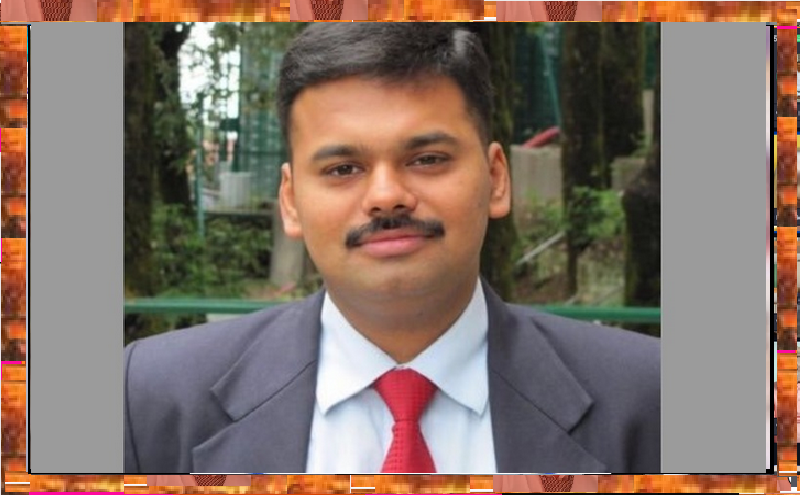
Centre Extends IAS Officer J.V. Naga Subramanyam’s Tenure Till 2027: The Clean Energy Strategist Driving India’s Renewable Revolution
The Centre has extended IAS officer J.V. Naga Subramanyam’s tenure as Joint Secretary in the Ministry of New and Renewable Energy till February 2027. Learn about his career, achievements, renewable energy initiatives, educational background, and role in India’s clean energy mission.
In a move aimed at ensuring continuity in India’s rapidly expanding clean energy programme, the Appointments Committee of the Cabinet (ACC) has approved an extension in the central deputation tenure of senior IAS officer J.V. Naga Subramanyam, who is currently serving as Joint Secretary in the Ministry of New and Renewable Energy (MNRE).
The decision comes at a crucial time when India is aggressively pursuing some of the world’s most ambitious renewable energy goals and implementing large-scale solar, green energy, and sustainability initiatives. With this extension, Subramanyam will continue serving at the Centre until February 15, 2027, completing a total of seven years on central deputation.
The government order reflects confidence in his leadership and administrative capabilities, particularly at a stage when several flagship renewable energy programmes are entering critical phases of implementation.
Extension Approved by the ACC
According to the latest notification issued by the Central Government, the overall central deputation tenure of J.V. Naga Subramanyam has been revised and extended up to February 15, 2027.
The extension allows the senior bureaucrat to continue steering important policy initiatives and monitoring the implementation of key renewable energy programmes that are central to India’s long-term energy strategy.
Officials familiar with the development say continuity at the leadership level is particularly important as India seeks to accelerate its transition from conventional fuels toward cleaner and more sustainable sources of energy.
The Ministry of New and Renewable Energy is currently handling several high-impact projects involving solar energy, green hydrogen, energy storage systems, and rural electrification through renewable sources. Maintaining experienced leadership within the ministry is therefore considered a strategic necessity.
Playing a Crucial Role in the Renewable Energy Ministry
Javvadi V. Naga Subramanyam belongs to the 2009 batch of the Indian Administrative Service and is an officer of the Assam-Meghalaya cadre.
Over the years, he has emerged as one of the key bureaucrats associated with India’s renewable energy transformation journey.
As Joint Secretary in the Ministry of New and Renewable Energy, he has been actively involved in policy formulation, programme implementation, inter-ministerial coordination, and monitoring of flagship renewable energy schemes.
His responsibilities extend across multiple sectors of the clean energy ecosystem, including solar power expansion, energy accessibility, sustainable development, and climate-friendly infrastructure creation.
Government officials believe that retaining experienced officers in such positions ensures stability in programme execution and helps maintain momentum in achieving national energy goals.
At the Centre of India’s Solar Expansion Strategy
One of the most significant aspects of Subramanyam’s tenure has been his close involvement in several flagship solar energy programmes launched by the Government of India.
He has been serving as Mission Director for some of the country’s most important renewable energy initiatives.
Among the major programmes under his watch are:
PM-Surya Ghar: Muft Bijli Yojana
PM-KUSUM Scheme
National Solar Energy Programmes
Rooftop Solar Expansion Initiatives
Renewable Energy Capacity Enhancement Projects
These initiatives are designed to increase renewable energy generation, encourage adoption of solar power among households, reduce dependence on conventional fuels, and improve energy access in rural and agricultural sectors.
The PM-Surya Ghar scheme, in particular, has emerged as one of the government’s most ambitious efforts to expand rooftop solar installations and reduce electricity expenses for households across India.
Similarly, the PM-KUSUM scheme aims to promote solar-powered irrigation systems and reduce farmers’ dependence on conventional energy sources.
Given the scale and importance of these programmes, officials believe continuity in leadership will be beneficial for achieving desired outcomes.
Strong Academic and Professional Credentials
Born on February 16, 1980, in Andhra Pradesh, Subramanyam possesses an impressive academic and professional background that distinguishes him within the civil services.
He completed his Bachelor of Commerce degree from Nagarjuna University before pursuing professional qualifications in finance and accounting.
His educational credentials include:
Bachelor of Commerce (B.Com)
Chartered Accountant (CA)
Cost Accountant
In addition, he was selected as a prestigious Chevening Gurukul Fellow at King’s College London, a programme known for nurturing leadership and public policy expertise among future leaders from India.
The fellowship exposed him to international governance practices, leadership frameworks, and policy-making approaches that have influenced his administrative career.
Corporate Sector Experience Before Civil Services
Before entering public service, Subramanyam worked in the corporate sector as a project manager.
This early exposure to project execution, financial management, and organisational planning gave him practical insights into management and implementation challenges.
Many colleagues believe this private-sector experience later proved valuable in handling large-scale government programmes involving infrastructure, investments, and policy execution.
His ability to combine administrative expertise with financial and managerial understanding has often been cited as one of his key strengths.
Rare Journey from IPS to IAS
One of the most unique aspects of J.V. Naga Subramanyam’s career is his transition from the Indian Police Service to the Indian Administrative Service.
Few officers in India’s civil services have successfully made such a shift.
He initially joined the Indian Police Service and served as an IPS officer in Kerala between 2006 and 2009.
Later, he entered the Indian Administrative Service and became part of the Assam-Meghalaya cadre.
This unusual transition provided him with exposure to two of India’s most important civil services and helped him develop a broader understanding of governance, administration, public policy, and law enforcement systems.
Over time, he built a reputation for handling complex administrative assignments across multiple sectors.
Significant Assignments in Assam
During his tenure in Assam, Subramanyam held several important field and administrative positions.
Among the most notable were:
Deputy Commissioner of Goalpara
Mission Director, National Health Mission (NHM)
As Deputy Commissioner, he gained extensive experience in district administration, public service delivery, development planning, and governance management.
His tenure as Mission Director of the National Health Mission exposed him to large-scale public health programmes, healthcare reforms, and implementation challenges in the social sector.
These assignments helped shape his understanding of grassroots governance and programme execution.
Driving Industrial Development in Andhra Pradesh
Subramanyam later served in Andhra Pradesh, where he was entrusted with important responsibilities related to industrial growth and infrastructure development.
His key positions included:
Commissioner of Industries
Vice Chairman, Andhra Pradesh Industrial Infrastructure Corporation (APIIC)
During this phase of his career, he worked on investment promotion, industrial corridor development, infrastructure expansion, and policy measures aimed at attracting business investments.
His efforts focused on strengthening industrial ecosystems and supporting economic growth through improved infrastructure and investor-friendly governance.
These experiences further broadened his administrative profile and prepared him for larger responsibilities at the national level.
Experience in Economic Policy and Finance
Before joining the Ministry of New and Renewable Energy, Subramanyam also served in the Department of Economic Affairs under the Ministry of Finance.
In 2023, he took charge as Director in the Department of Economic Affairs.
The role involved engagement with economic policy matters, public finance issues, fiscal planning, and government financial management.
His exposure to economic policy formulation proved particularly valuable when dealing with renewable energy projects that require significant financial planning, investment mobilisation, and long-term sustainability frameworks.
Why This Extension Matters
India is currently pursuing some of the most ambitious renewable energy targets globally.
The country is investing heavily in solar parks, wind energy projects, green hydrogen initiatives, battery storage systems, and clean technology infrastructure.
The Ministry of New and Renewable Energy remains at the centre of this transformation.
As these programmes move into advanced stages of implementation, continuity in leadership becomes increasingly important.
Officials believe that extending the tenure of an experienced officer like J.V. Naga Subramanyam will help maintain policy consistency, ensure smoother execution of flagship schemes, and support the government’s broader clean energy vision.
The ACC’s decision is widely being viewed as an endorsement of his performance and a recognition of the critical role he continues to play in shaping India’s renewable energy future.
With his tenure now secured until February 2027, Subramanyam is expected to remain a key figure in driving policy reforms, accelerating renewable energy adoption, and supporting India’s journey toward a cleaner and more sustainable energy ecosystem.