


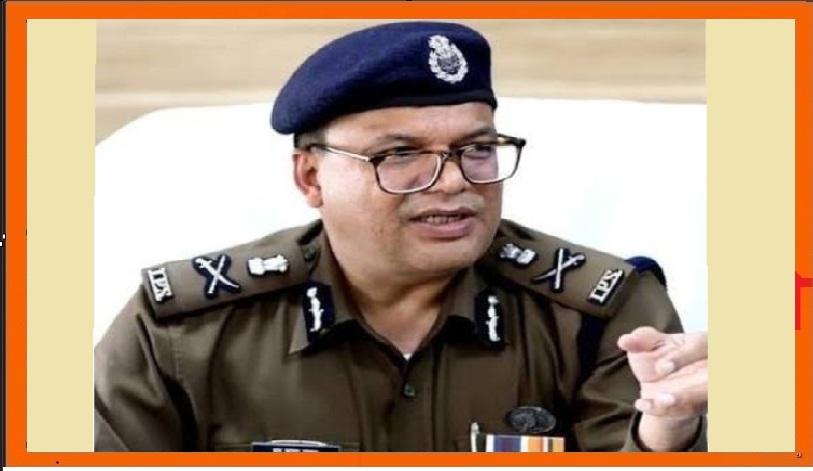
Digital Arrests and AI Spoofing: IPS Dhruva Kant Thakur Warns Cybercrime Is Police’s Biggest Challenge Over Next Decade
Fresh off receiving the prestigious President’s Medal for Distinguished Service, senior Indian Police Service officer Dhruva Kant Thakur has sounded a clear alarm about the future of law enforcement in India.
The 1994-batch Uttar Pradesh cadre officer didn’t mince words when reflecting on what lies ahead for public safety. Based on his thirty years on the front lines, Thakur believes cybercrime is rapidly outpacing conventional street crime, mutating into the single largest national security threat police forces will face over the coming ten years.
Currently serving as the Director General of Home Guards and Civil Defence in Uttar Pradesh, Thakur highlighted how the sheer speed of technological change is pushing traditional policing models to their absolute limits. The days of simply patrolling neighborhoods and tracking physical footprints are quickly giving way to a messy digital landscape where invisible criminals operate across global borders. Tackling this shifting landscape requires a massive, multi-layered overhaul of how police agencies interact with technology, financial institutions, and the general public.
Among the most concerning trends gaining ground today are digital arrest scams, where fraudsters turn fear into a weapon. Criminals pose as law enforcement personnel or high-ranking government officials, contacting unsuspecting citizens through video or voice calls. They invent fake legal cases, threaten victims with immediate arrest, and demand hefty payments or sensitive personal details to make the non-existent charges go away. The psychological pressure applied during these fake encounters often leaves victims too panicked to think clearly.
Making matters worse, the rapid explosion of artificial intelligence is handing these fraudsters powerful new tools like deepfake video clones and hyper-realistic voice spoofing. Scammers can now recreate the voice or likeness of a family member, bank representative, or police chief with terrifying precision. Thakur cautioned that as AI capabilities expand, spot-checking whether a call is genuine will become nearly impossible for the average person, creating an unprecedented wave of digital deception.
To protect themselves from falling into these sophisticated traps, citizens must adopt a mindset of healthy skepticism whenever an unknown number pops up on their phone screens. Thakur strongly advised against reacting impulsively to high-pressure calls, especially those claiming to come from legal authorities or banking institutions demanding immediate financial transfers. The safest move is to hang up, pause, and independently look up verified official phone numbers or helpline channels to check if the claims are true before sharing a single detail.
What makes cybercrime so uniquely dangerous compared to traditional offenses is its structural complexity. These are not isolated incidents carried out by lone actors down the street; they are hybrid scam networks run by deeply organized, transnational syndicates. Modern cybercriminals effortlessly cross state and international borders, spinning up dozens of fake digital identities, routing money through complex online channels, and tearing down their server infrastructure in a matter of minutes.
Because these networks vanish as fast as they appear, standard policing methods like filing a local police complaint after the fact are no longer enough to stop the damage. Effectively dismantling these operations requires real-time coordination between state police forces, central intelligence agencies, international police bodies, private tech platforms, and banking networks. Without seamless, immediate communication between all these entities, tracking down digital trails becomes an exercise in frustration.
India has already established several multi-channel reporting systems, rapid account-freezing protocols, and targeted public awareness campaigns to fight back against online fraud networks. Yet, as Thakur pointed out, these defense mechanisms need constant upgrading because cybercriminals continuously adapt their playbooks. When it comes to financial cybercrime, speed is everything, as stolen funds travel through multiple intermediate bank accounts and cryptocurrency wallets within seconds of being transferred.
Early reporting makes all the difference when someone falls victim to a scam. Prompt intervention through official helplines gives authorities a fighting chance to freeze fraudulent accounts, intercept moving funds, and disrupt the criminal syndicate’s financial machinery before the cash vanishes completely. Every minute lost after a fraudulent transaction drops the odds of recovering the stolen assets, making rapid public action just as crucial as police intervention.
Beyond technological upgrades and faster reporting tools, Thakur emphasized that public awareness remains the ultimate shield against cyber fraud. Most digital scams do not rely on breaching complex computer firewalls; they rely on social engineering, exploiting human emotions like anxiety, urgency, and confusion. Digital arrest frauds succeed almost entirely because victims are coerced into believing that a fake legal emergency requires immediate action.
Breaking this cycle of manipulation requires citizens to build strong digital habits. People should make it a strict rule never to disclose sensitive banking credentials, passwords, or personal identity numbers over the phone or internet to unverified contacts. Whenever suspicion arises, contacting local police stations or official banking desks directly through published numbers provides a quick sanity check that can save a family’s life savings.
Shifting focus to broader policing strategies, Thakur pointed to recent events like the Jantar Mantar protests as a clear reminder of why public trust matters so much. Maintaining order in a vibrant democracy requires a sensitive, accessible, and citizens-first approach to law enforcement. As society changes, the bond between the public and the police relies heavily on transparent communication, empathy, and responsive community engagement.
A genuine people-friendly policing model does not just resolve local disputes smoothly; it directly supports the fight against modern cybercrime. When citizens feel comfortable reaching out to officers without fear or hesitation, they are far more likely to report suspicious calls immediately and cooperate with ongoing investigations. Building this bridge of trust ensures that communities view law enforcement as an approachable partner in keeping their digital and physical spaces safe.
Thakur’s timely warnings carry significant weight given his long, distinguished track record in public service. The President’s Medal for Distinguished Service reflects three decades of hard work across various high-profile leadership roles within the Uttar Pradesh police apparatus. Over his thirty-year career, he has watched law enforcement challenges shift dramatically from physical street crimes to complex digital threats that hit people right inside their homes through their personal screens.
Ultimately, the evolving nature of cybercrime means police forces can no longer rely solely on outdated investigative habits. Defending citizens against AI voice spoofing, digital arrests, and international fraud networks demands a forward-looking strategy that brings together advanced tech infrastructure, smart intelligence gathering, rapid public response, and deep community cooperation. As criminals push deeper into the digital realm, law enforcement must keep pace to safeguard the public and preserve faith in the justice system over the decade to come.