

Kerala’s New Government Ends Two Controversial Suspensions — N Prasanth’s Two-Year Ordeal and B Ashok’s Forced Absence Both Over as CM Satheesan Clears the Way Back
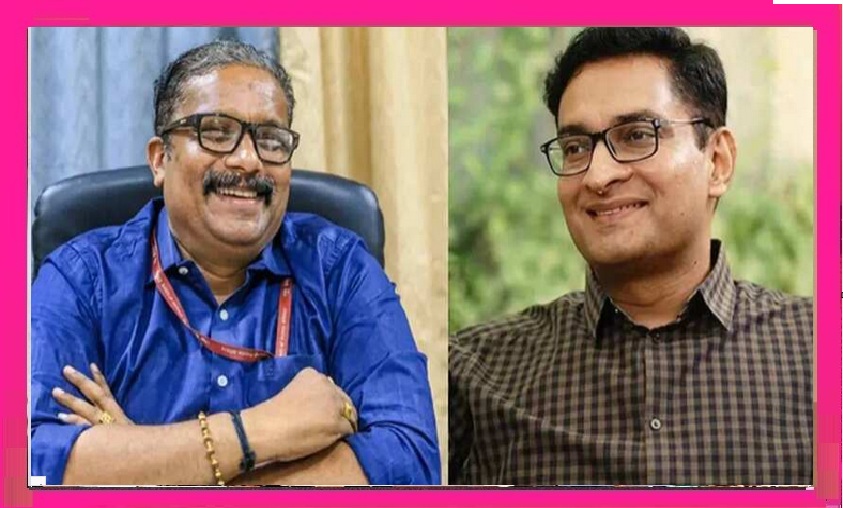
Two IAS officers who paid a steep personal and professional price for speaking their minds under the previous Kerala government are coming back. Chief Minister V.D. Satheesan has revoked the suspension orders of N Prasanth and B Ashok, ending what has been a prolonged and closely watched disciplinary episode in Kerala’s civil service history.
The decision came on Saturday. Fresh postings are expected shortly. And while the administrative language around it is measured and formal, what this actually represents is something more charged — a new government unwinding punitive actions taken by its predecessor against officers who dared to be publicly critical.
N Prasanth — Nearly Two Years in Suspension Limbo
Of the two, N Prasanth’s case is the more striking in terms of sheer duration. A 2007-batch IAS officer, Prasanth was suspended on November 11, 2024, after he allegedly criticised then Chief Secretary A. Jayathilak through social media posts. The then LDF government treated the posts as a violation of service conduct rules, initiated disciplinary proceedings, and suspended him.
What followed was extraordinary. The suspension wasn’t resolved — it was repeatedly extended, month after month, despite growing calls from bureaucratic and political circles for some kind of resolution. Nearly two years went by. For a serving IAS officer to remain under suspension for that length of time is deeply unusual. It’s one of the longest disciplinary suspensions involving a senior bureaucrat in Kerala’s recent administrative history, by most accounts.
During that period, Prasanth wasn’t quietly waiting. His case attracted constant attention — questions about whether the punishment was proportionate, whether the extensions were legally sustainable, and what message the government was sending to other civil servants about the cost of speaking out. None of those questions were ever formally answered. The suspension just kept going.
With the change of government and Satheesan’s revocation order, that chapter is now closed. Prasanth returns to service after a suspension that was never exactly defended on its merits — it simply outlasted the government that imposed it.
B Ashok — Suspended for Saying What He Thought in an Interview
B Ashok, a 1998-batch IAS officer and the more senior of the two, had a different but equally pointed story. He was suspended in April after a media interview in which he allegedly criticised the functioning of the Pinarayi Vijayan-led LDF administration.
The formal charges brought against him covered three grounds – speaking to the media without prior permission from the government, allegedly tarnishing the image of the administration through his remarks, and violating service conduct norms that govern public statements by serving civil servants.
His suspension lasted approximately one and a half months — considerably shorter than Prasanth’s, but no less significant symbolically. The charges themselves sparked a real debate about where the line sits between an officer’s right to express views and the conduct obligations that come with government service. Those debates don’t have clean answers. But the fact that a senior IAS officer with Ashok’s experience and standing was suspended over interview remarks said something uncomfortable about the atmosphere inside Kerala’s bureaucracy at the time.
His suspension revocation — coming within days of the government change — reinforces the impression that the action against him was more political than strictly disciplinary.
An Unprecedented Day That Set the Context
To understand just how unusual these suspensions were, it helps to look at the specific date of Prasanth’s suspension — November 11, 2024. That was the same day that another IAS officer, K. Gopalakrishnan, was also suspended, over allegations related to the creation of a WhatsApp group reportedly formed along religious lines.
Two senior IAS officers suspended on the same day. That hadn’t happened before in Kerala’s civil service history. The back-to-back disciplinary actions on a single day generated intense commentary within the bureaucracy and political establishment.
Gopalakrishnan’s suspension was eventually revoked while Prasanth’s continued. The contrast made Prasanth’s case look increasingly difficult to justify — if one officer from the same day could be brought back, why was the other still suspended? The question never got a satisfactory public answer.
What Changed — and Why Now
The straightforward answer is that the government changed. The Left Democratic Front under Pinarayi Vijayan, which had suspended both officers, is out. The United Democratic Front under V.D. Satheesan is in. And the UDF government has been quite openly signalling its intention to rehabilitate officers who were sidelined or punished under the previous administration.
This isn’t particularly subtle politics. The LDF government’s relationship with certain senior officers was visibly adversarial. The UDF coming in and reversing those disciplinary actions is simultaneously an administrative reset and a political statement — this is how we do things differently.
Whether that framing is entirely fair to the complexity of what happened is a separate discussion. Prasanth’s social media posts were real. Ashok’s interview remarks were real. The conduct rule framework that the previous government invoked to suspend them exists for legitimate reasons. The question — one that remains unanswered — is whether the punishments were proportionate to the actual conduct, or whether they were used as instruments of administrative management in a less benign sense.
The new government has answered that question implicitly by revoking both orders without any apparent conditions attached.
Both Officers Are Known for Being Outspoken
Part of what made these cases significant is who these two officers are. Neither Prasanth nor Ashok is a faceless bureaucrat who got caught in a procedural dispute. Both are known within Kerala’s administrative establishment for their willingness to express views, engage publicly and take positions.
B Ashok is a senior 1998-batch officer with substantial experience across multiple important departments. His interview remarks weren’t a slip or an impulsive moment — they were a considered public statement about how the government was functioning. Officers at his level don’t accidentally end up in media interviews saying things they don’t mean.
N Prasanth had already built a reputation for being willing to engage on social media in ways that other officers typically avoid. His suspension wasn’t his first brush with disciplinary action — he had been suspended multiple times in his career, earning something of a reputation as an officer who pushed against institutional constraints. His prolonged suspension this time around was the most serious action taken against him.
Both officers returning to service will be watched closely — not just for what postings they receive, but for how they navigate the administrative landscape under a government that has gone out of its way to bring them back.
Fresh Postings Coming Soon
With the suspension orders now formally withdrawn, both officers are cleared to resume government duties. The state government is expected to issue posting orders in short order.
Given the timing — both revocations happening just before a broader Kerala IAS reshuffle — there’s reasonable speculation that their new assignments will be substantive rather than ceremonial. A government that makes a point of rehabilitating suspended officers publicly tends to follow through with meaningful postings rather than parking them in low-visibility roles.
What those postings actually look like will become clear very soon. For both Prasanth and Ashok, the prolonged period of professional uncertainty is over. A new chapter — under a new government that clearly views them differently than the last one did — is beginning.