
Who Is CK Anil? 1991-Batch IAS Officer Takes Charge as Bihar Education ACS, Raising Hopes of Major Reforms
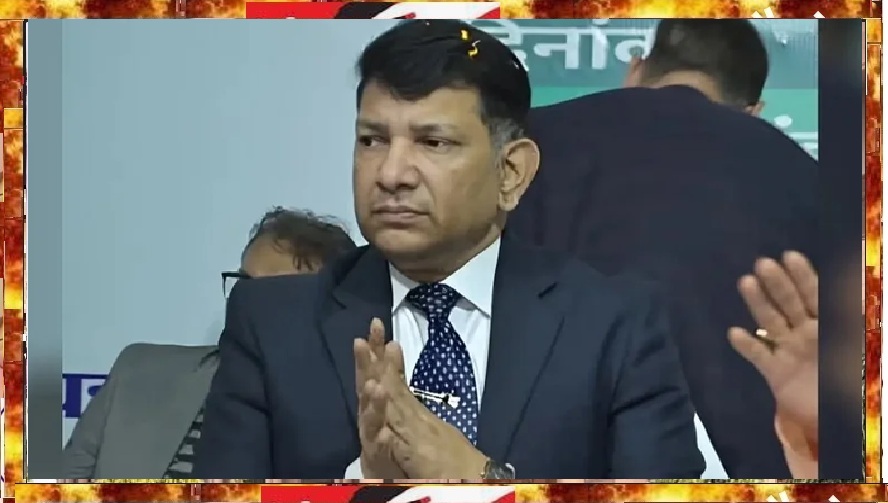
The appointment of senior IAS officer CK Anil as Additional Chief Secretary (ACS) of Bihar’s Education Department has raised expectations of a renewed administrative push to improve the state’s education system.
Known for his firm administrative approach, prompt decision-making and emphasis on integrity, the 1991-batch Bihar cadre officer is expected to focus on discipline, transparency and accountability across the department.
Bihar has long faced challenges in improving the performance of its government schools and strengthening its position in national education rankings. Against this backdrop, Anil’s appointment is being viewed as an opportunity to address persistent administrative shortcomings and improve the functioning of education offices across the state.
Soon after assuming charge, the senior officer reportedly began reviewing district-level education administration, signalling an emphasis on monitoring, implementation and accountability.
Who Is CK Anil?
A 1991-Batch IAS Officer Known for His Firm Administrative Style CK Anil is a 1991-batch IAS officer of the Bihar cadre, widely described in administrative circles as a decisive officer with a strict working style and an uncompromising approach to official responsibilities.
He came into prominence in 2004, when he was serving as District Magistrate of Siwan. During his tenure, he reportedly took firm administrative action against influential criminal and political networks, including those associated with the late Mohammad Shahabuddin.
His reputation for enforcing rules, acting against alleged corruption and taking decisions without unnecessary delays has contributed to the expectations surrounding his new assignment.
According to the account, his appointment has also received appreciation from sections of the ruling parties, the Opposition and members of the public, reflecting hopes that his administrative experience could bring greater discipline to the Education Department.
Appointment Raises Expectations Across Bihar’s Education Department
Anil’s arrival has generated optimism among those seeking improvements in the state’s education system. At the same time, his reputation for close supervision and strict enforcement of administrative instructions has reportedly created apprehension among some departmental employees, particularly those working in district education offices.
He will be supported by a team of senior officials, including IAS officer Rajiv Raushan as Secretary of the Education Department, along with other departmental officers. A senior departmental employee, speaking on condition of anonymity, described Anil as an administrator who combines an understanding of the law with practical administrative judgement.
The employee expressed the view that his approach could help ensure that official decisions remain legally sound while being workable for teachers and departmental staff.
More Than 35 Years of Administrative Experience
With over 35 years in public service, CK Anil has reportedly held around 22 recorded postings across 20 locations during his career. One of his significant assignments was as Secretary of the Revenue and Land Reforms Department during Vijay Sinha’s tenure as minister.
Officials familiar with his working style describe him as an administrator who places considerable emphasis on the rule of law, timely decision-making and effective implementation.
He is also said to closely monitor the execution of official orders and expects departmental authorities to follow through on the responsibilities assigned to them.His approach has been characterised by a preference for administrative independence and resistance to undue interference in official decisions.
Teacher Dress Code Among Initial Measures
One of the reported early initiatives under Anil’s leadership concerns the introduction of a dress code for government school teachers and education officials. The measure discourages Western-style attire and emphasises the expectation that teachers should maintain a professional appearance and serve as role models for students.
The initiative reflects an emphasis on professional conduct and discipline within educational institutions. Its underlying message is that teachers are expected to command respect through their subject knowledge, classroom performance, behaviour and overall professional demeanour.
District Education Office Review Begins With Siwan
Anil has also initiated a review of district education offices, with Siwan reportedly serving as the starting point of the exercise. The choice of Siwan carries administrative significance, given his earlier tenure as the district’s District Magistrate in 2004. That assignment brought him recognition for his firm handling of law-and-order challenges.
The current review is expected to focus attention on the functioning of district-level education offices, administrative discipline and the implementation of departmental instructions. It could also provide the department with an opportunity to identify operational gaps and areas requiring closer supervision.
Major Challenges Before Bihar’s Education Department
While Anil’s appointment has generated considerable expectations, the challenges confronting Bihar’s education system extend well beyond administrative inspections and disciplinary measures.
Some of the key areas requiring sustained attention include:
* Teaching standards: Improving classroom instruction and overall academic performance.
* Teacher attendance: Ensuring regular attendance and meaningful classroom engagement.
* School infrastructure: Addressing deficiencies in basic facilities and creating better learning environments.
* Transparent recruitment: Strengthening fairness and transparency in teacher recruitment procedures.
* Accountability: Establishing measurable responsibility for school performance and student learning outcomes.
* Administrative monitoring: Improving district education offices and ensuring timely implementation of government decisions.
Addressing these concerns will require sustained coordination among the Education Department, district administrations, school authorities and teachers.
Teacher Transfer Policy and Transparency Under Scrutiny
The implementation of the state’s teacher transfer policy is also expected to be an important test of the new administrative leadership.There are expectations that the department will ensure fairness and transparency in transfer decisions, address genuine grievances and prevent arbitrary practices or undue influence.
A consistent and clearly communicated transfer framework could help strengthen confidence among teachers while improving accountability within the administrative system.
Can CK Anil Deliver Lasting Education Reforms in Bihar?
The real test of CK Anil’s tenure will lie in translating his reputation as a decisive administrator into measurable and sustainable improvements in Bihar’s education system.
Strict supervision and disciplinary action may help improve institutional discipline, but lasting reform will require a wider strategy encompassing better teaching standards, improved school infrastructure, professional support for teachers and stronger learning outcomes for students.
His appointment has already raised expectations within the department and among those seeking a more accountable education administration. The challenge now is to convert this optimism into tangible progress across government schools and district education offices.
Whether Anil can deliver the broader transformation Bihar’s education system needs remains to be seen. His initial focus on discipline, transparency and administrative monitoring, however, has signalled an intent to bring greater scrutiny to the department’s functioning.