
Rajasthan High Court Gives State 15 Days to Decide IAS Selection Cases of Four Non-RAS Officers
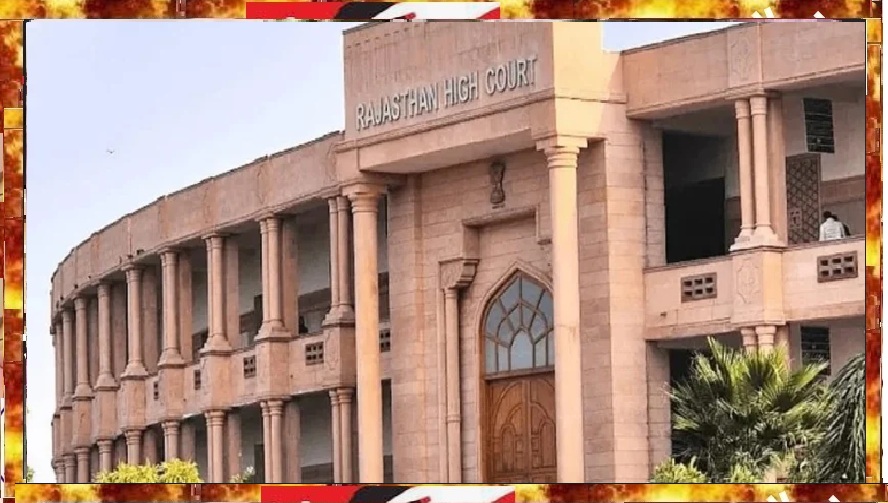
The Rajasthan High Court has directed the state government to take a decision within 15 days on the pending selection cases of four non-Rajasthan Administrative Service (non-RAS) officers shortlisted for appointment to the Indian Administrative Service (IAS).
The direction was issued by Justice Anoop Kumar Dhand while disposing of petitions filed by Suresh Kumar Verma, Shyam Sundar Jiyani, Kartikeya Mishra and Narmada Indoria. The petitioners had sought the court’s intervention over the delay in the state government’s submission of its observations on their respective selection proposals.
The High Court has directed the state authorities to pass a reasoned or ‘speaking’ order within 15 days of receiving the certified copy of the judgment. However, it has clarified that the government is not obligated to approve the officers’ selection or arrive at any particular conclusion.
UPSC Board Shortlisted Four Officers from 20 Candidates
The matter relates to four vacancies identified for the 2024 selection year under the process for inducting eligible officers from state services other than the RAS into the IAS.
The selection exercise progressed to the interview stage in December 2025, when 20 eligible officers from various state services appeared before the Union Public Service Commission (UPSC) selection board. Following the interviews, the board shortlisted four candidates and forwarded the proposal to the Rajasthan government for its observations and comments.
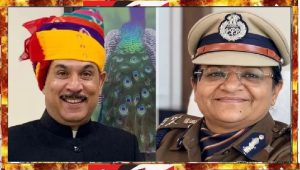
The four shortlisted officers are:
Suresh Kumar Verma: Accounts Service Department
Shyam Sundar Jiyani: Higher Education Department
Kartikeya Mishra: Cooperation Department
Narmada Indoria: Information and Public Relations Department
Their selection proposals subsequently remained pending with the state government, delaying further progress in the appointment process.
Petitioners Flag Delay in Government’s Observations
The petitioners submitted that the UPSC had forwarded the selection proposal to the Rajasthan government in December 2025, seeking its observations under the applicable regulatory framework.
They relied on Rule 6 of the IAS (Appointment by Selection) Regulations, 1997, contending that the state government is required to communicate its observations to the UPSC within 45 days.
According to their submissions, the stipulated period had expired without the government forwarding its comments, leaving the four cases unresolved for several months.
The officers consequently approached the Rajasthan High Court, seeking directions to ensure that the pending administrative process was taken forward. Their petitions highlighted the delay in the government’s response and the absence of a formal decision on the selection proposals.
High Court Directs Speaking Order Within 15 Days
After considering the submissions, Justice Anoop Kumar Dhand directed the Rajasthan government to issue a reasoned order within 15 days from the date of receiving the certified copy of the judgment.
A speaking order is one that sets out the reasons and considerations behind an administrative decision. It enables the affected parties to understand the basis on which the competent authority has reached its conclusion.
Significantly, the High Court did not direct the state government to recommend the four officers for appointment to the IAS. Instead, it left the authorities free to examine the proposals and take a decision in accordance with the applicable rules and legal provisions.The direction is therefore limited to ensuring a time-bound and reasoned decision, rather than compelling the government to approve the candidates’ selection.
What the Order Means for the Four Officers
The High Court’s intervention provides a specific deadline for the Rajasthan government to address the four pending selection cases. It does not, however, guarantee their appointment to the IAS.
The immediate responsibility now lies with the state government, which must examine the proposals and communicate its conclusions through a speaking order within the prescribed period. The subsequent course of the selection process will depend on the observations and decision conveyed by the state authorities.
The ruling also highlights the importance of timely administrative action in the selection process for inducting eligible officers from non-RAS state services into the IAS.
For Suresh Kumar Verma, Shyam Sundar Jiyani, Kartikeya Mishra and Narmada Indoria, the order marks a significant development after months of delay. Their prospects of progressing further in the selection process will depend on the state’s decision and the applicable regulatory provisions.